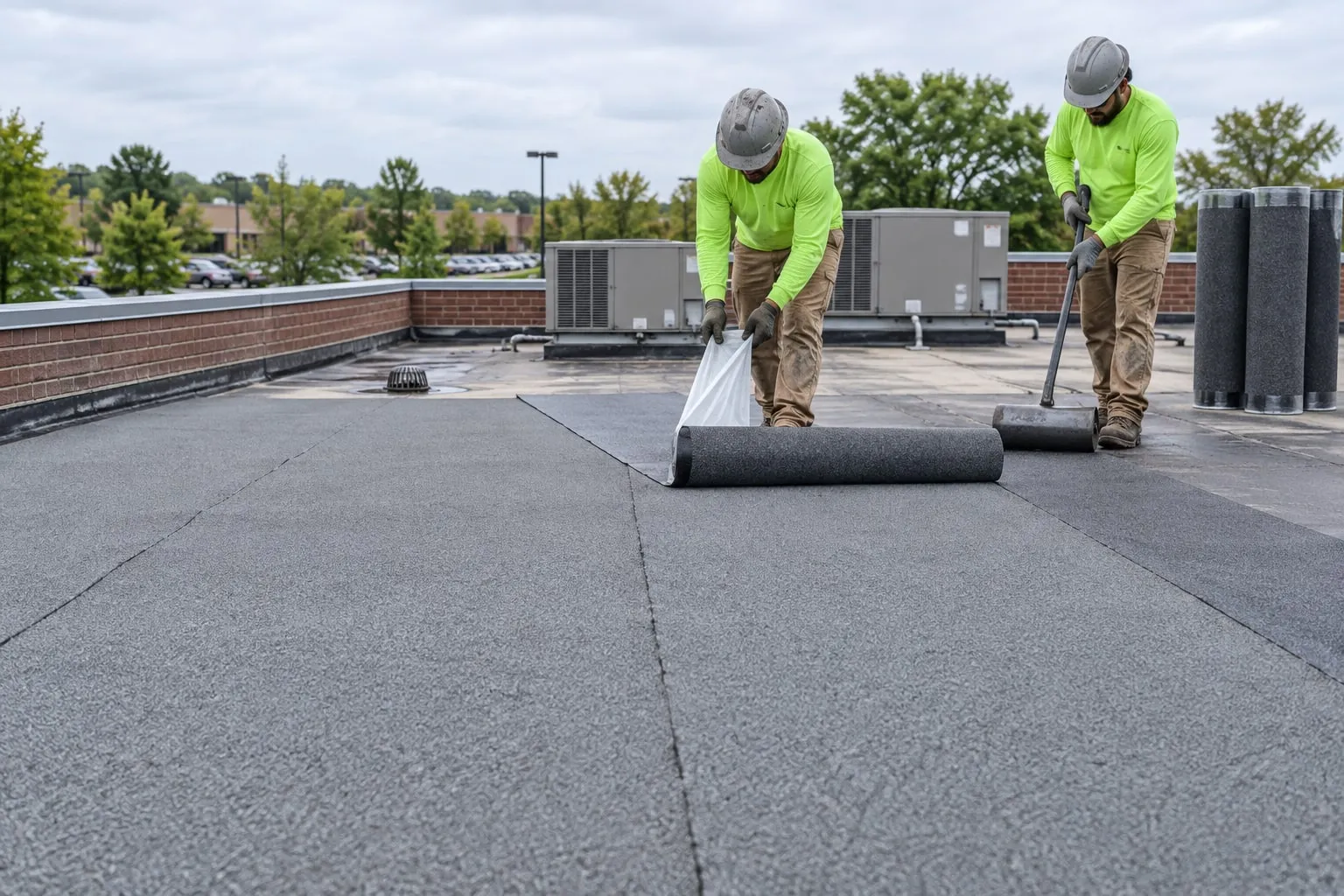
Your ceiling stain isn’t always below the leak
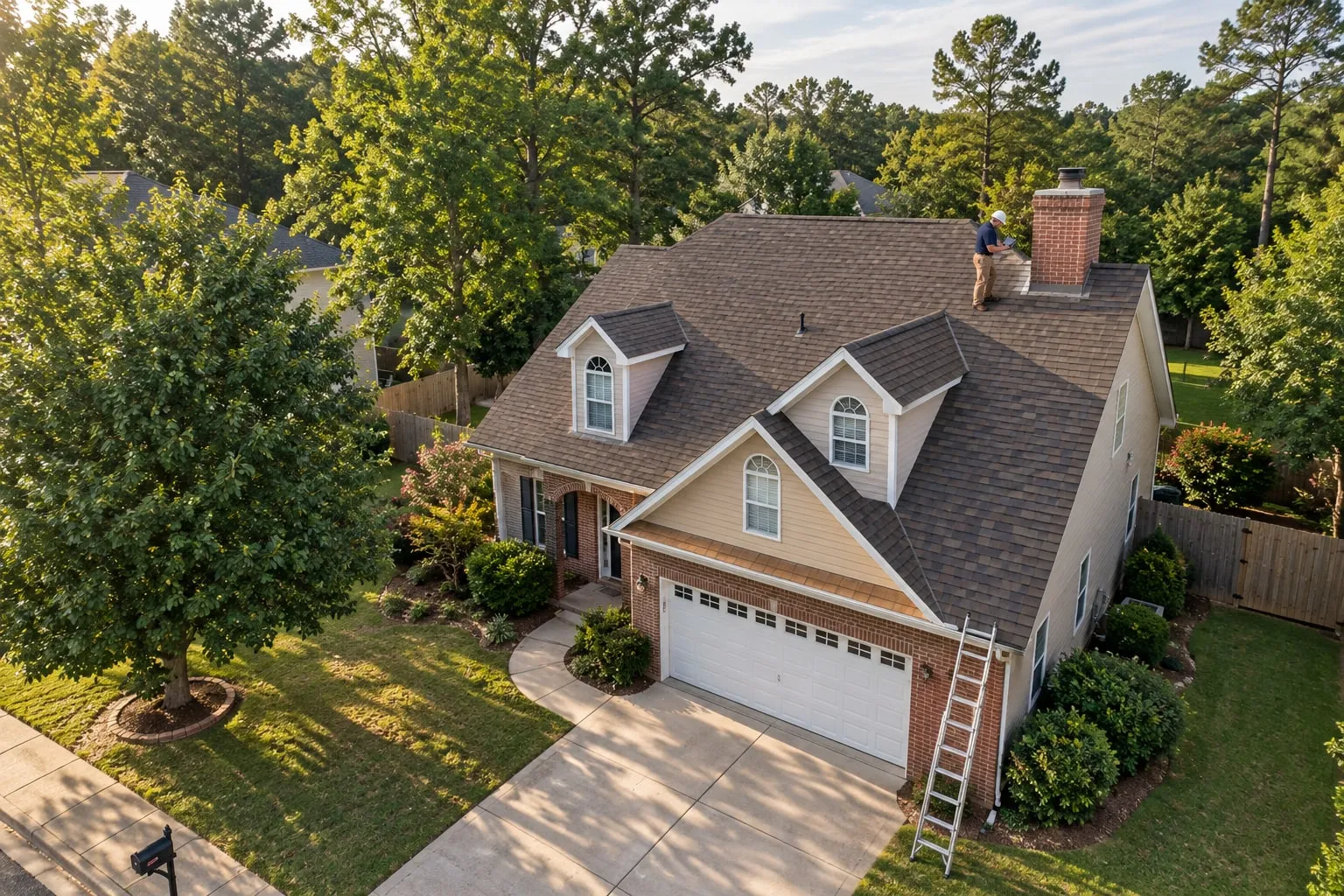
Most roofs that leak do not need replacing. They need someone to find where the water actually gets in, which is rarely right above the stain. Water runs along the underlayment, down a rafter and across the top of the drywall before it shows, sometimes ten feet from the source.
Our repair visits start with that trace. Once we know the cause, we fix it with matched GAF materials, photograph the work, and put the price in writing before anything starts.
What we repair
Leaks and ceiling stains
Traced back from the stain through the attic to the point where water gets past the roof.
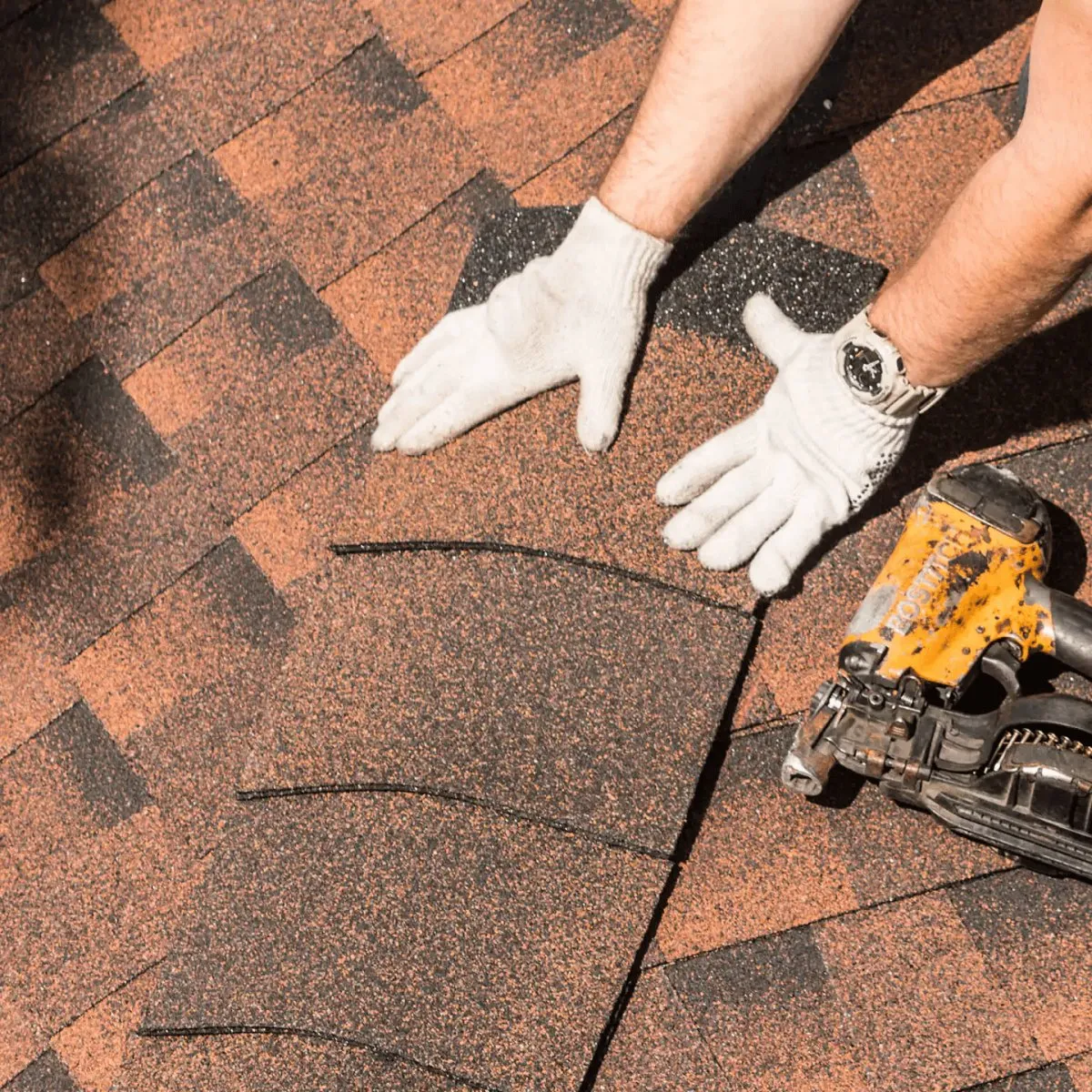
Missing, creased or lifted shingles
Blown off in a storm or broken loose with age. Replaced and sealed down so the next wind does not take the neighbors.
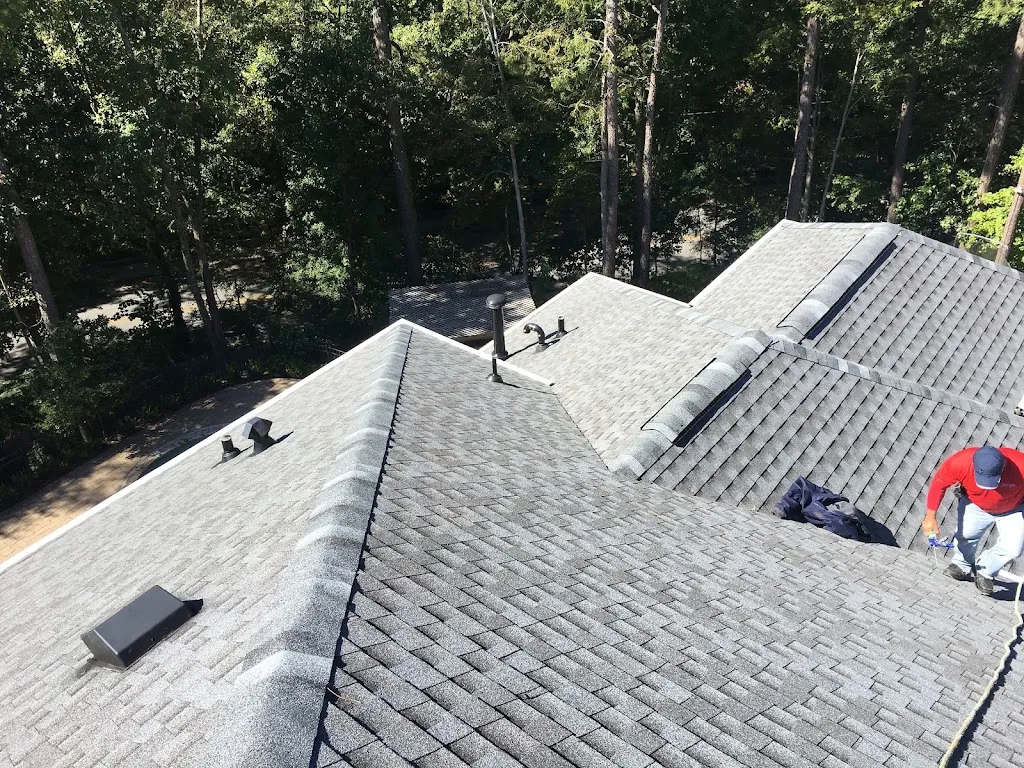
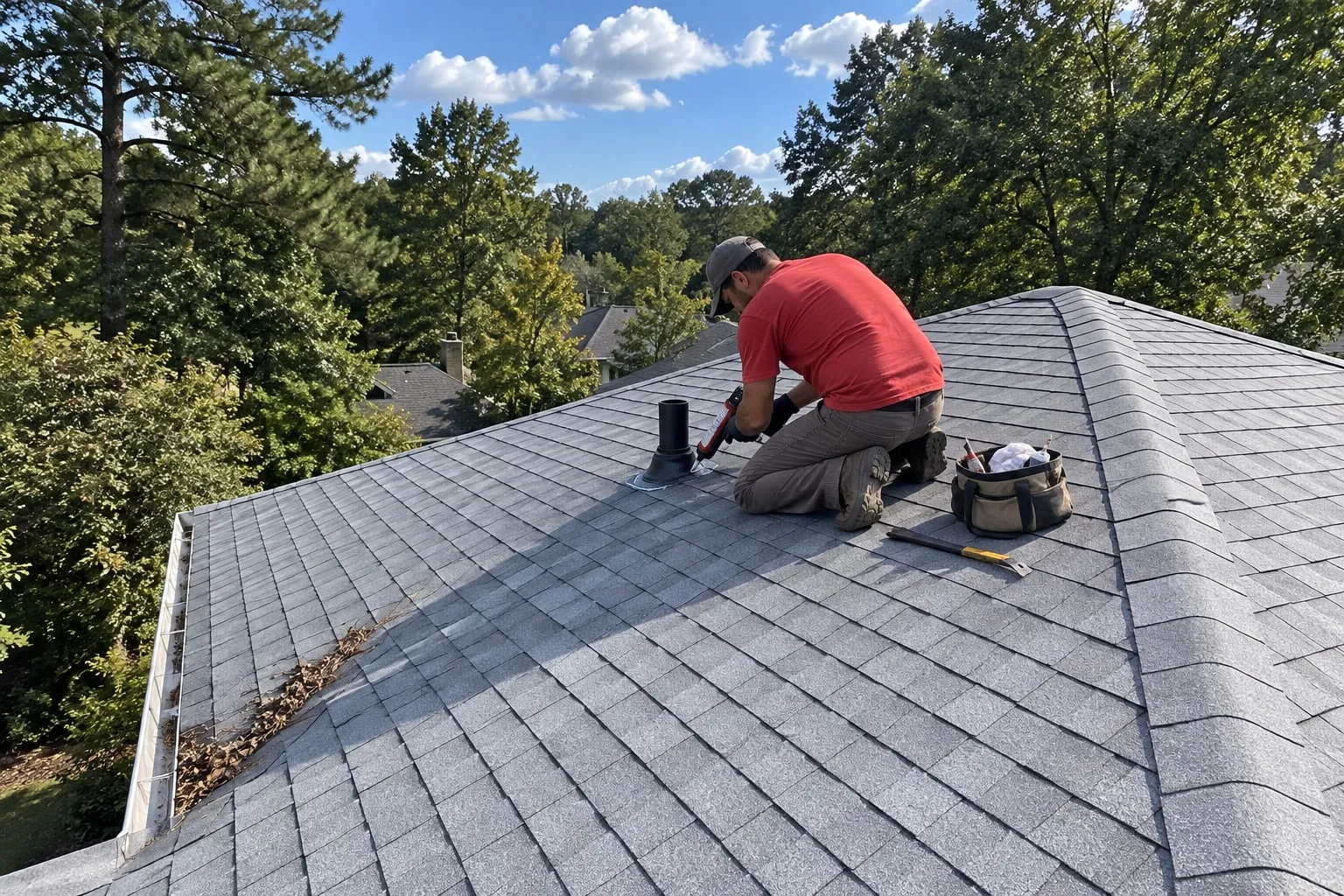
Pipe boots and roof vents
The rubber collar on a plumbing pipe cracks in the sun after a decade or so. It is one of the most common leaks we find.
Flashing at walls and chimneys
Rusted, loose or caulk-patched flashing removed and replaced with new metal, worked in under the shingles.
Valleys
Where two slopes meet and the most water runs. Worn or poorly cut valleys get rebuilt.
Soft decking
Wood that has been soaking for a while is cut out and replaced before the roof is closed back up.
Repair or replace?
Age and spread decide most of it. A single leak on a roof under 15 years old is usually a repair. Several leaks, granule loss across every slope, soft decking or a roof past 20 years can change the answer, and the money may go further on a replacement.
We tell you which side of that line you are on, with photos, and quote the smaller job when the smaller job is the right one.
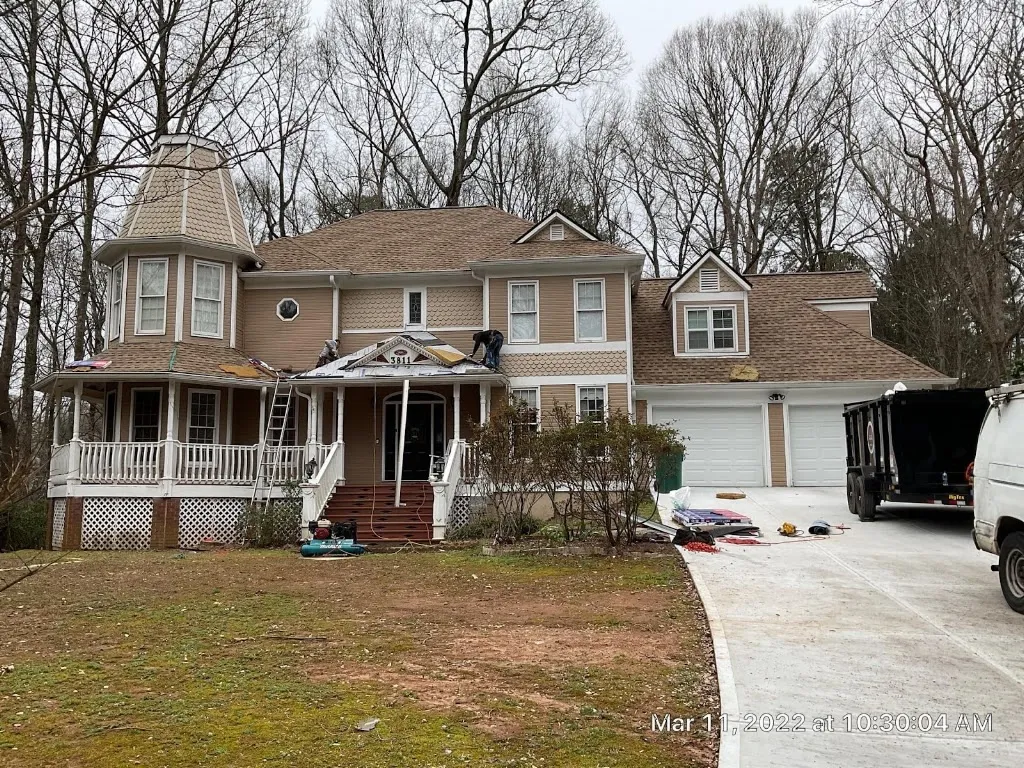
When to call right away
Some problems can wait for a convenient day. These should not:
Water coming in now
Put a bucket under it, move what you can, keep clear of wet light fixtures or a sagging ceiling, and call. Tell us water is coming in now.
A tree or limb on the roof
Do not go up to move it. Call us, and see the storm page for how the insurance side works.
Shingles in the yard after wind
An open spot lets the next rain straight onto the underlayment. A quick repair now beats a decking repair later.