
Attic ventilation and your roof
Attic vents let outside air in low, at the soffits, and out high, near the ridge, so heat and moisture don’t build up under the roof deck. The right mix depends on the attic, and more vents isn’t always better.
Why attic ventilation matters
Georgia attics run hot and humid. How hot and how damp depends on the insulation, air sealing and ventilation working together. The goal is steady airflow where the attic is designed for it, not the biggest fan or the most vents.
Intake, low
Soffit or other intake vents let outside air into a vented attic at the eaves.
Exhaust, high
Ridge, roof louver or other exhaust vents let hot, damp air out near the peak. Exhaust without enough intake can pull air from the wrong places, even from the house.
Powered fans, sometimes
A powered fan can help in some attics, but it can also pull conditioned air up from the rooms below if the ceiling isn’t sealed. Not every attic benefits from one.
A new roof is the time to fix venting, since the ridge and the vents are open anyway. See what a roof replacement covers, or book a roof inspection, which includes the attic where we can reach it.
All 37 vents
Ridge vents
07 products
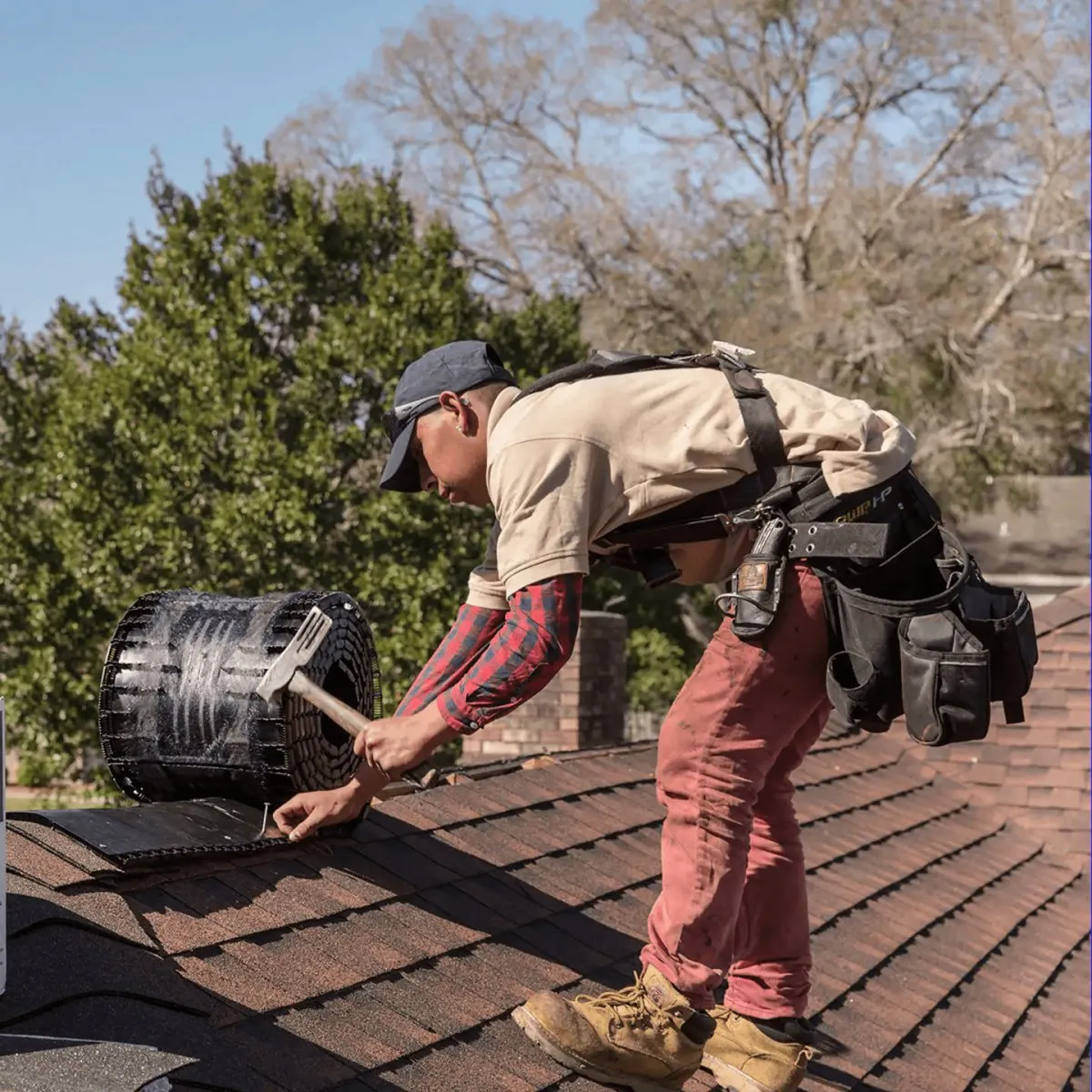
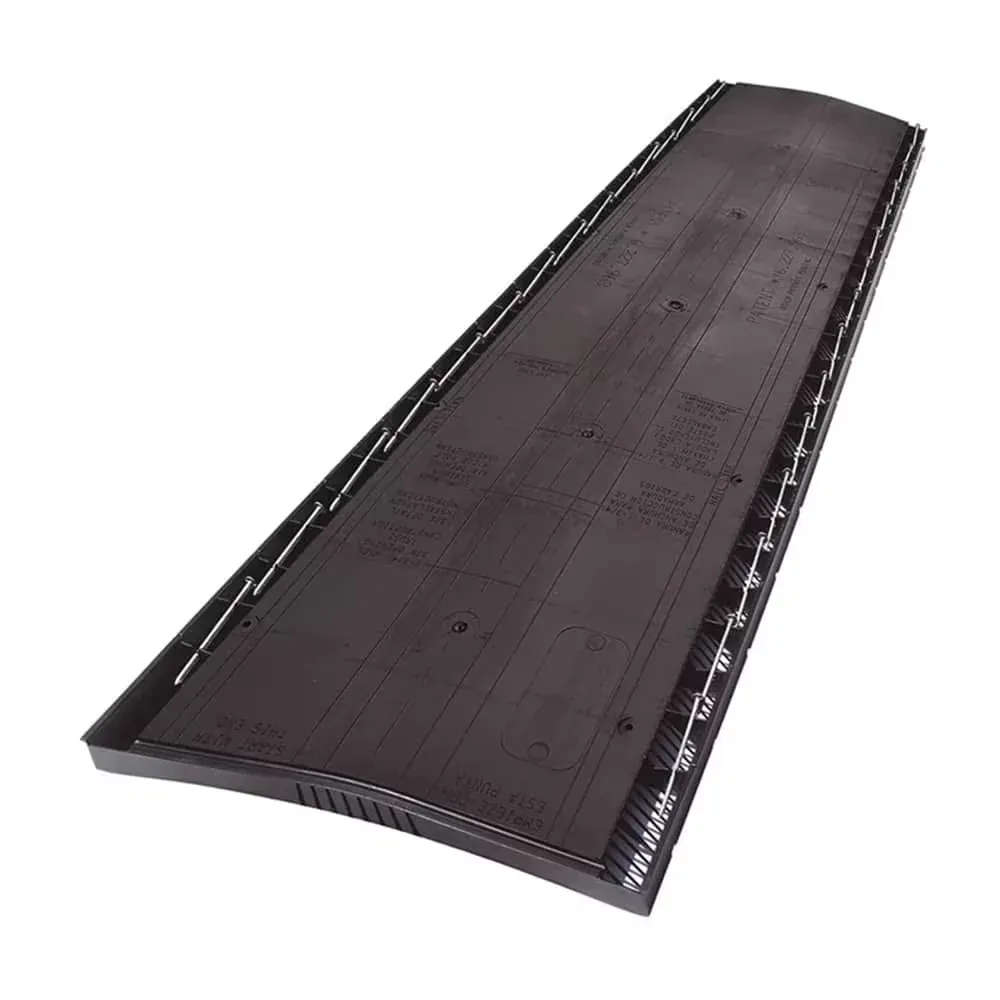
Exhaust along the peak, hidden under the ridge cap. Cobra is GAF’s own line, and the vent in the GAF Lifetime Roofing System.
Cobra
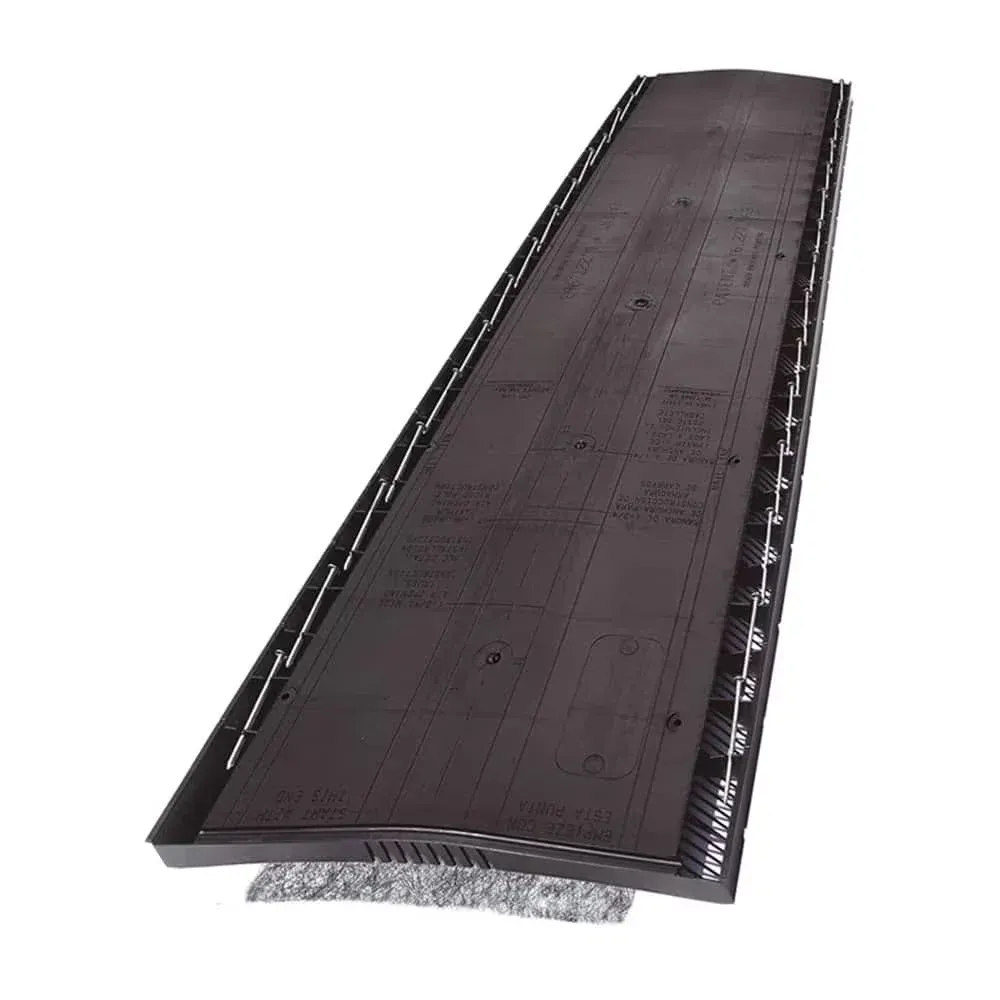
Rigid Vent 3
Premium non-filtered ridge vent, installed with 3" ring shank nails.
Cobra
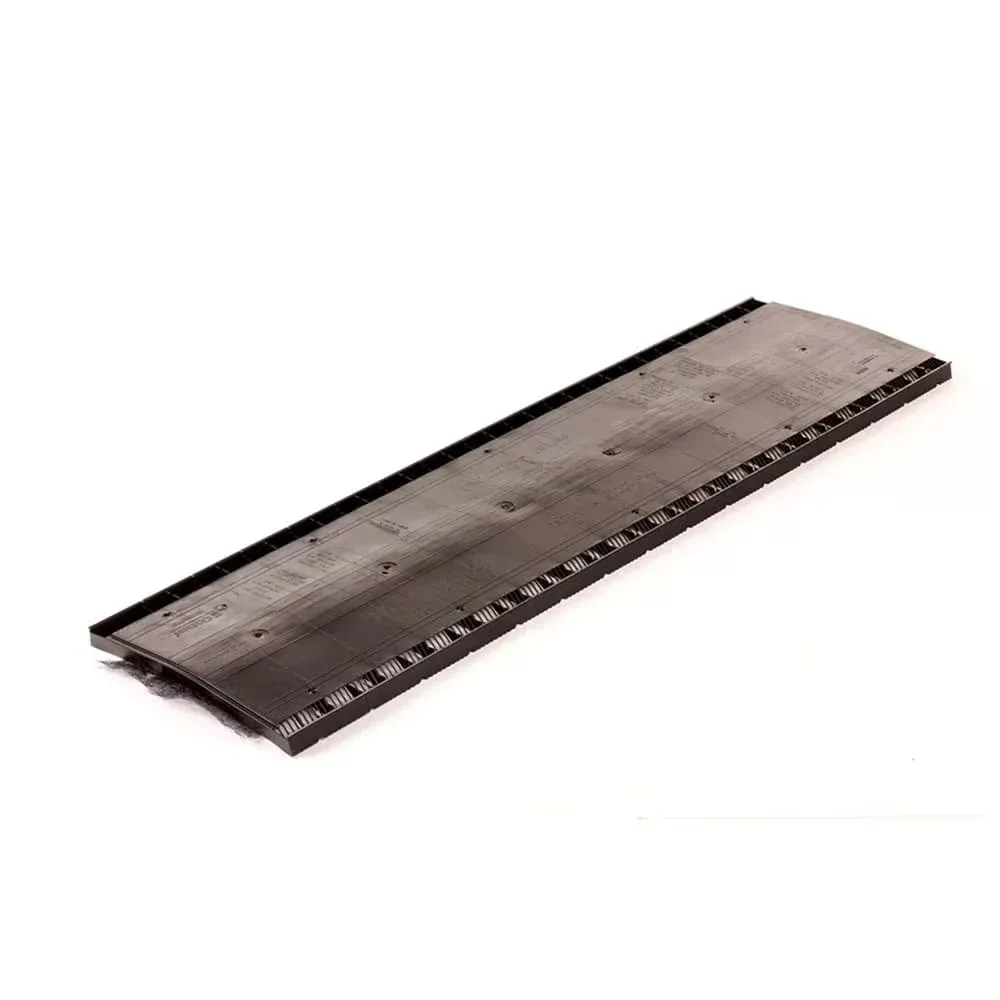
SnowCountry Advanced
Premium filtered ridge vent, installed with 3" ring shank nails.
Cobra
SnowCountry
Filtered ridge vent that lets heat and moisture out of the attic.
Cobra
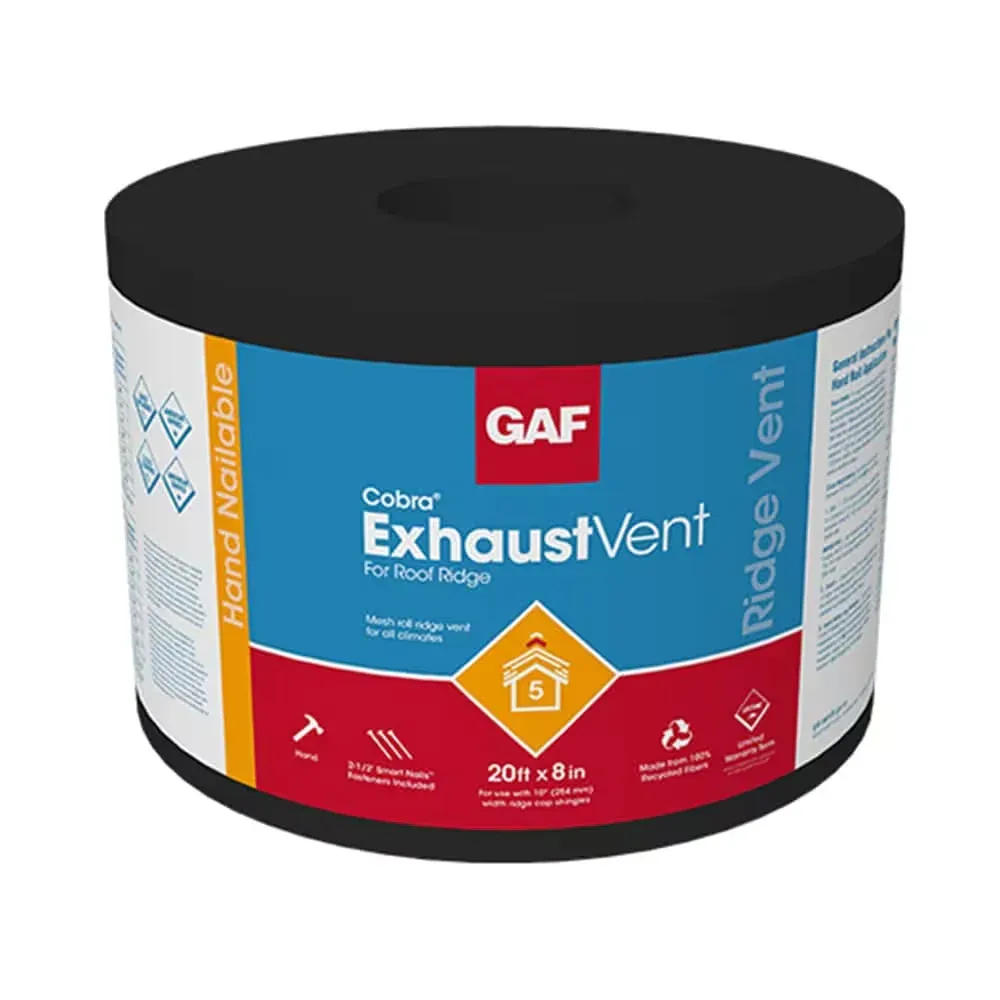
Exhaust Vent
The original Cobra roll ridge vent, nailed along the peak.
Cobra
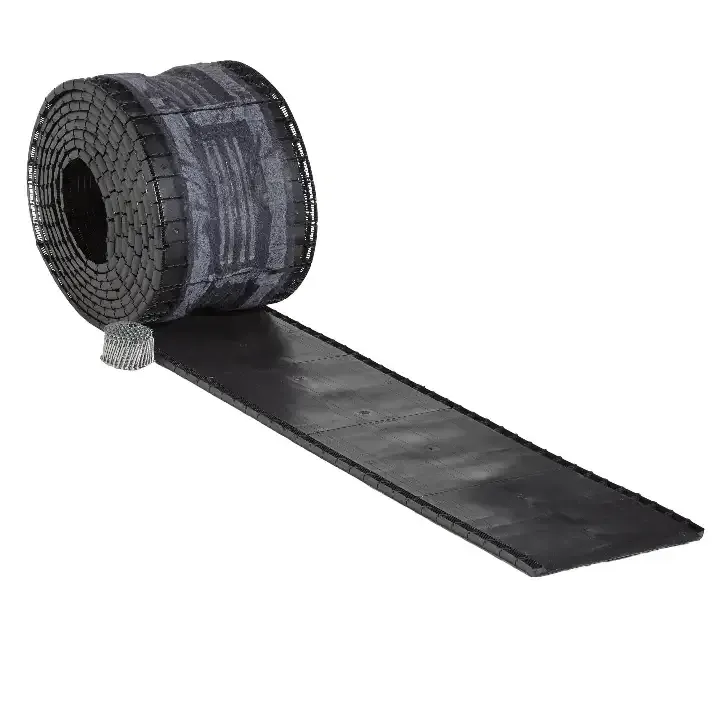
RidgeRunner
Low-profile plastic roll ridge vent that installs with a nail gun.
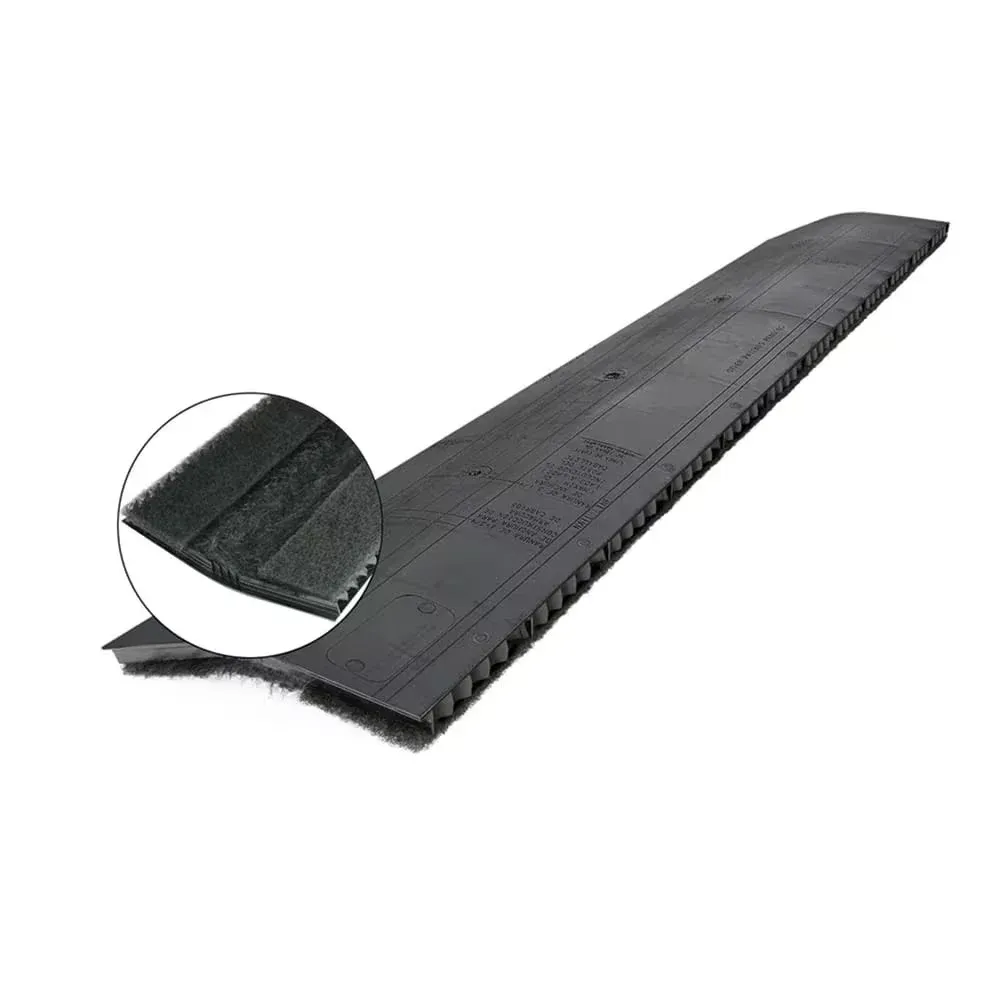
Cobra
Hip Vent
Dual-filtered vent that runs along the hips of hip roofs.
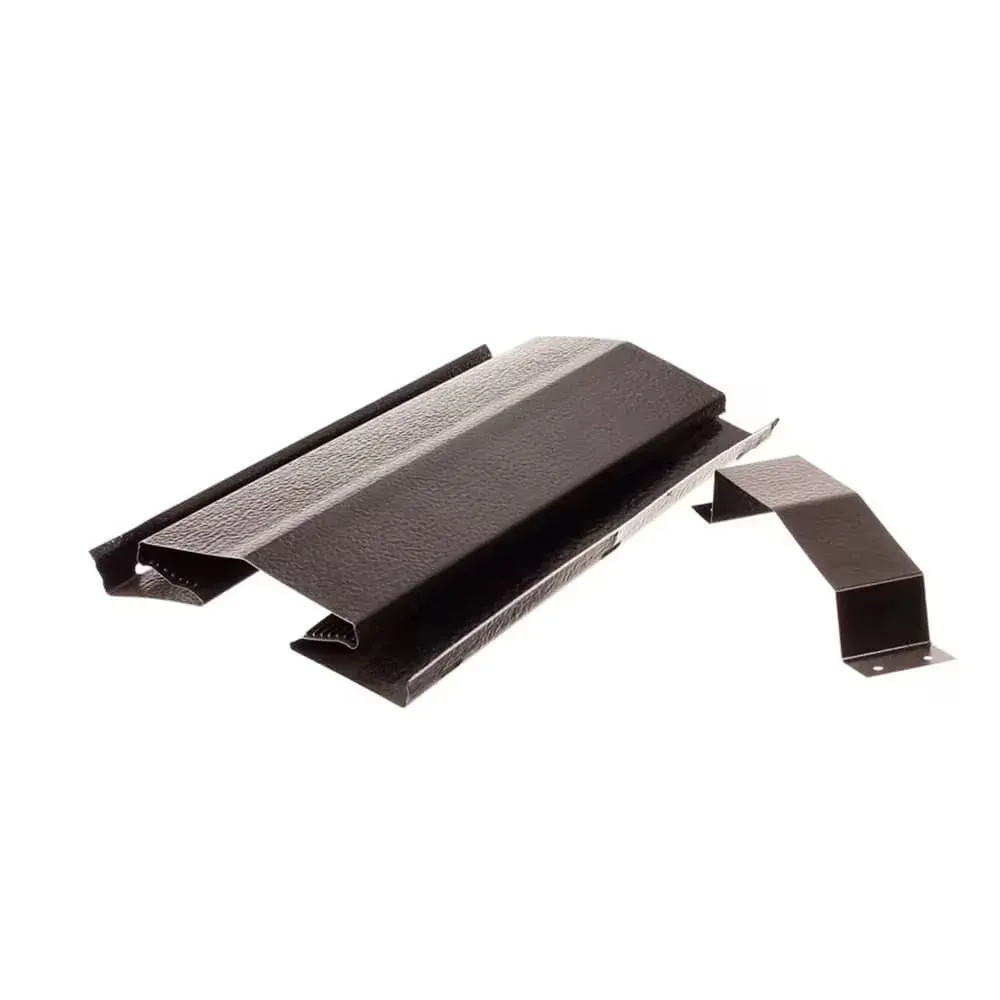
Master Flow
Aluminum Ridge Vent
Durable metal ridge vent with a built-in baffle to keep weather out.
Intake vents
05 products
Let cool, dry air in low, at the eaves, so the exhaust vents up top have air to move.
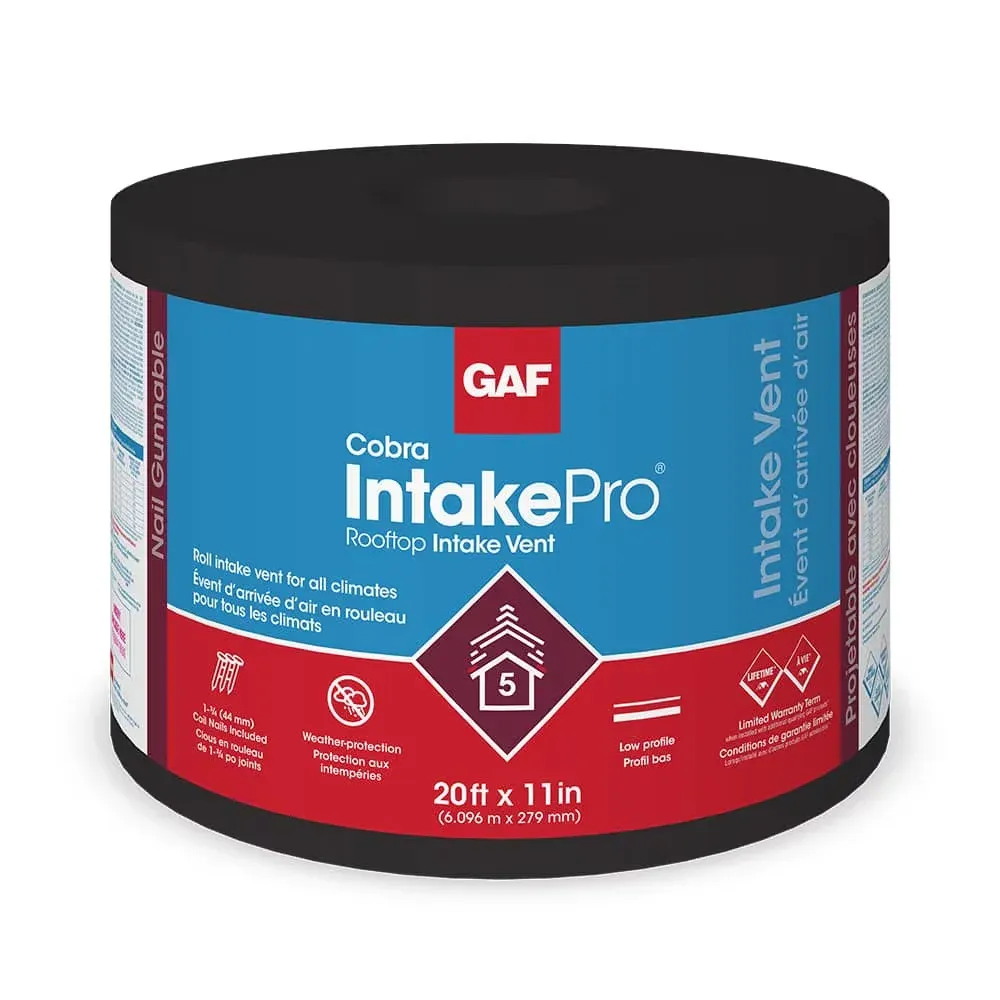
Cobra
IntakePro
Rooftop intake vent for homes with few or no soffits.
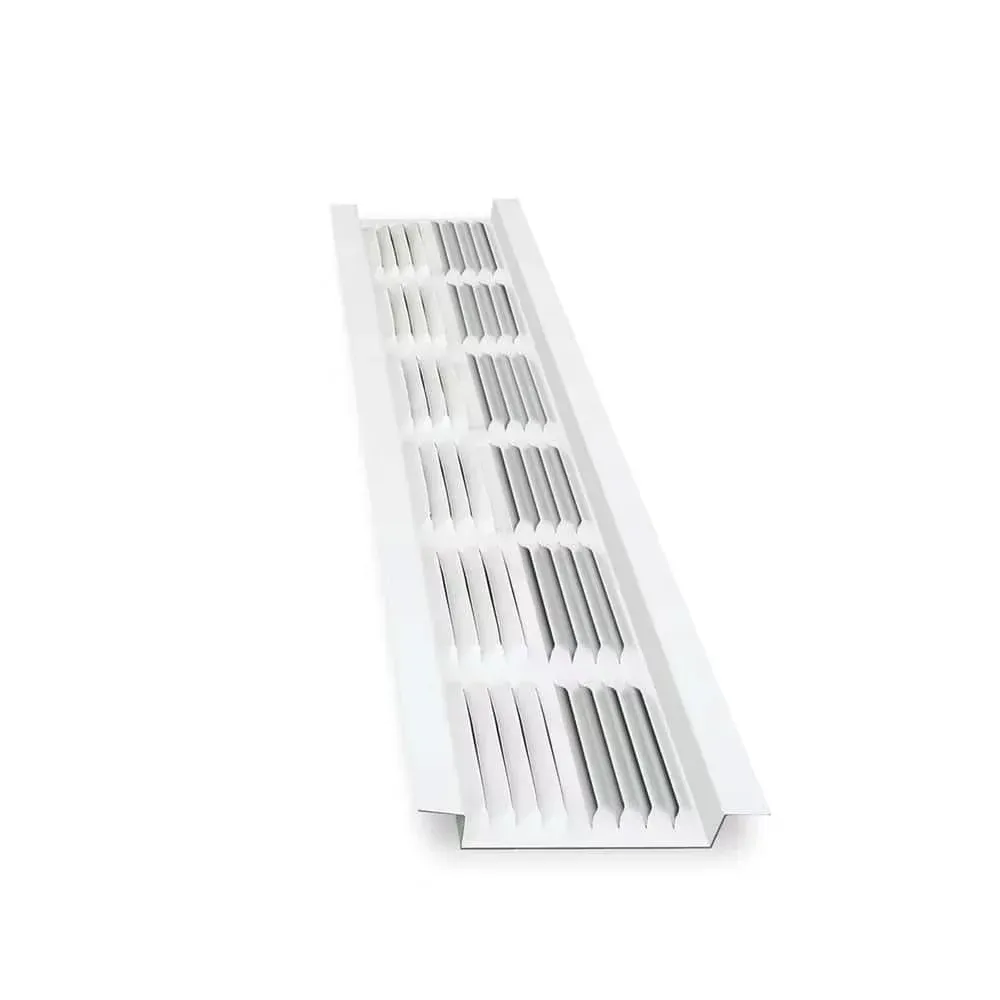
Master Flow
Continuous Undereave Vent
A continuous soffit strip for new builds and retrofits.
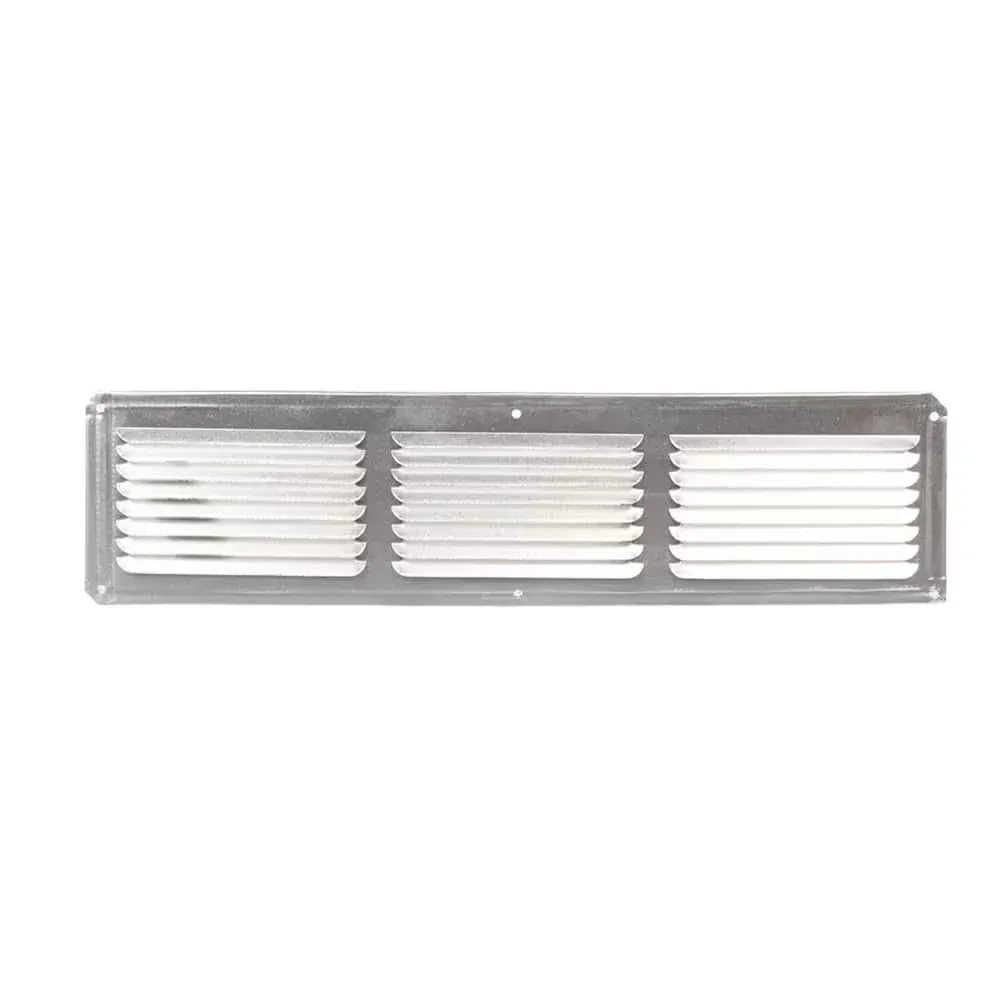
Master Flow
Aluminum Undereave Vents
Surface-mount soffit vents.
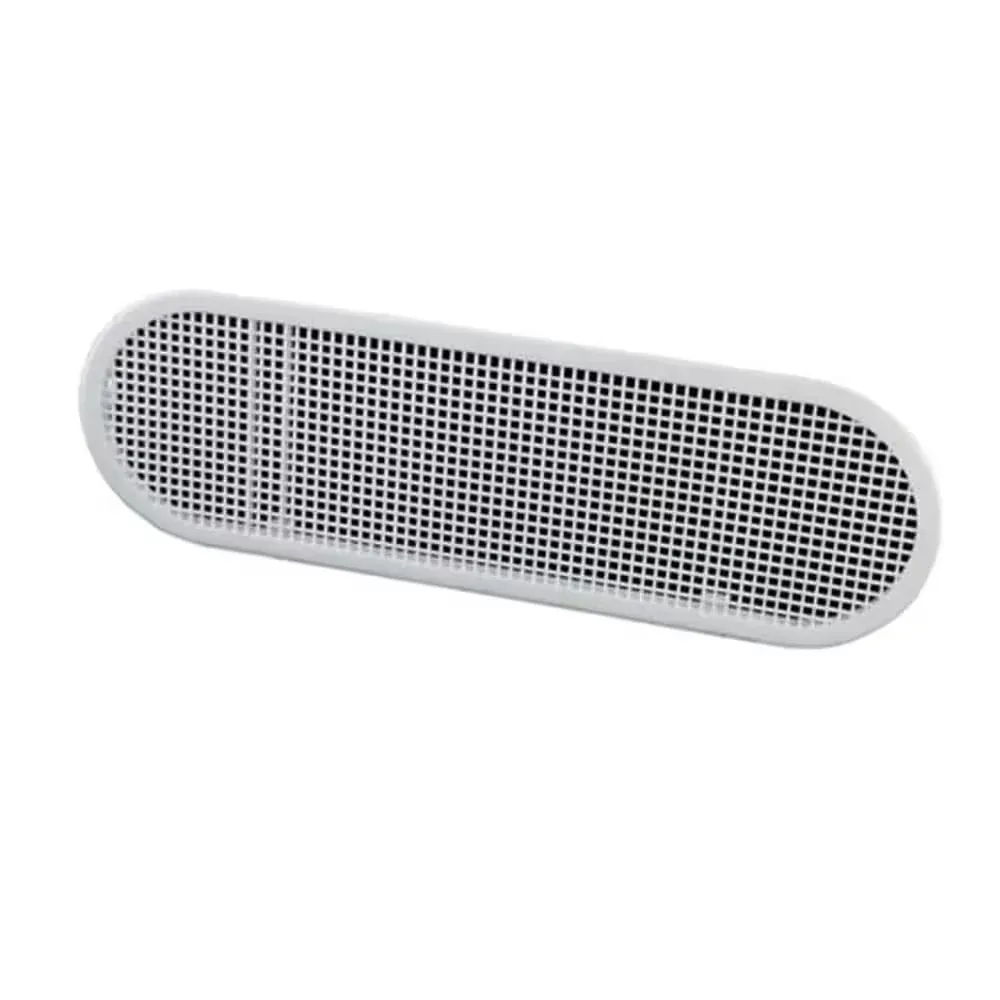
Master Flow
Plastic Undereave Vents
Snap-in soffit vents.
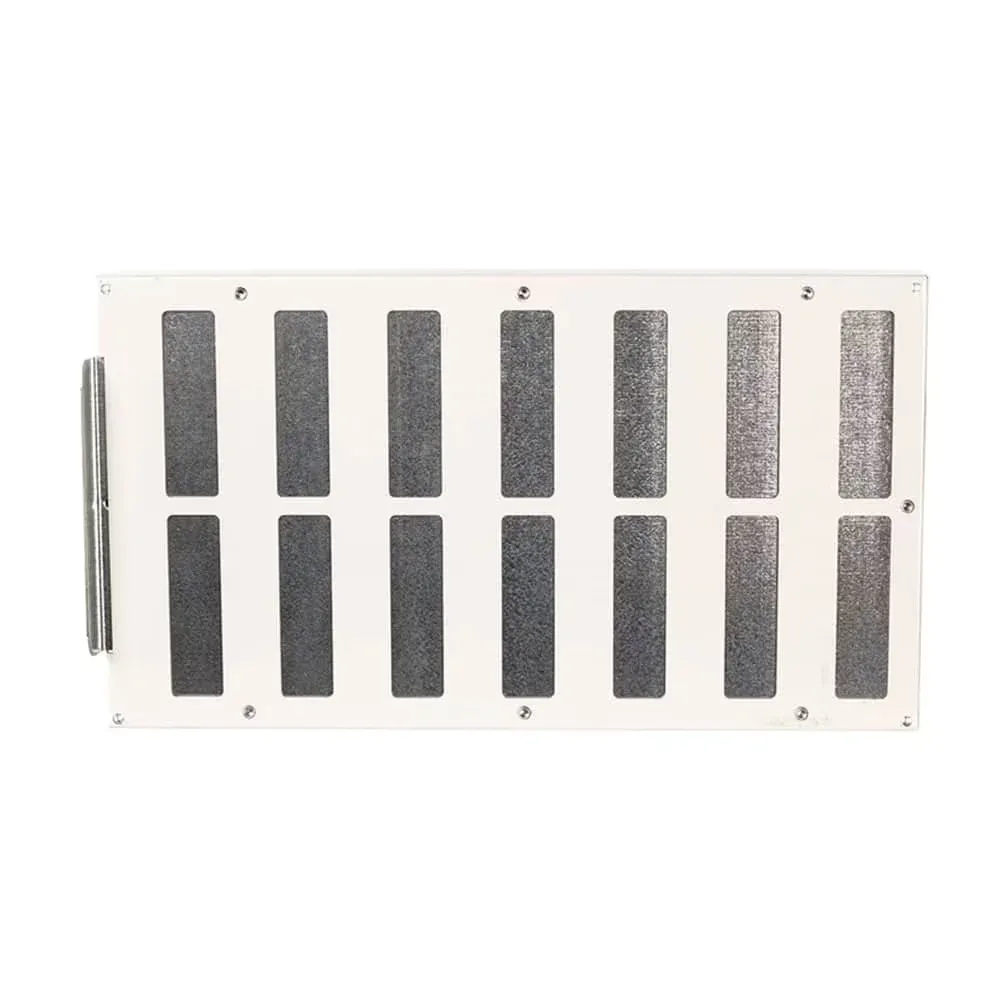
Master Flow
EmberShield Soffit Vent
Closeable soffit vent that resists wildfire embers.
Roof louvers
07 products
Static vents set into the roof below the ridge, for roofs where a ridge vent won’t do. Sized by net free area (NFA).
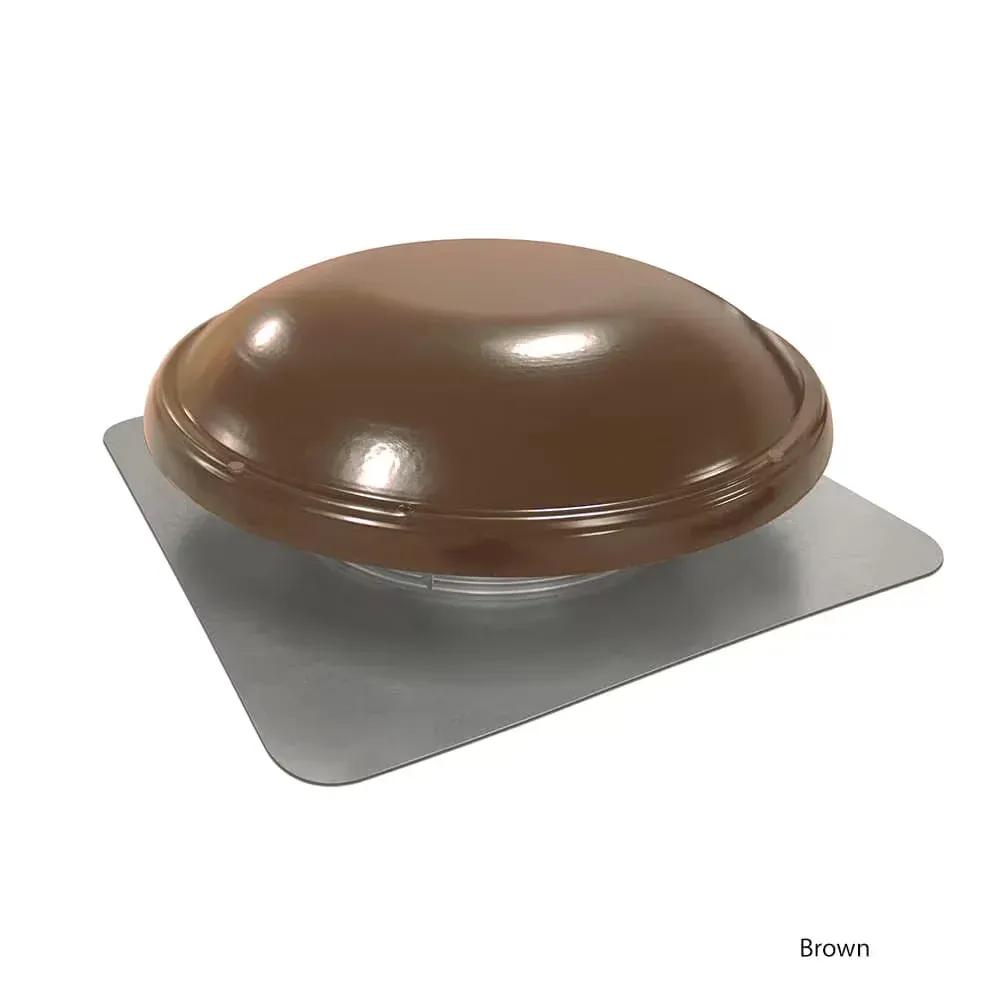
Master Flow
High-Capacity Dome Vent
Extra-large dome for attics that need to move a lot of air.
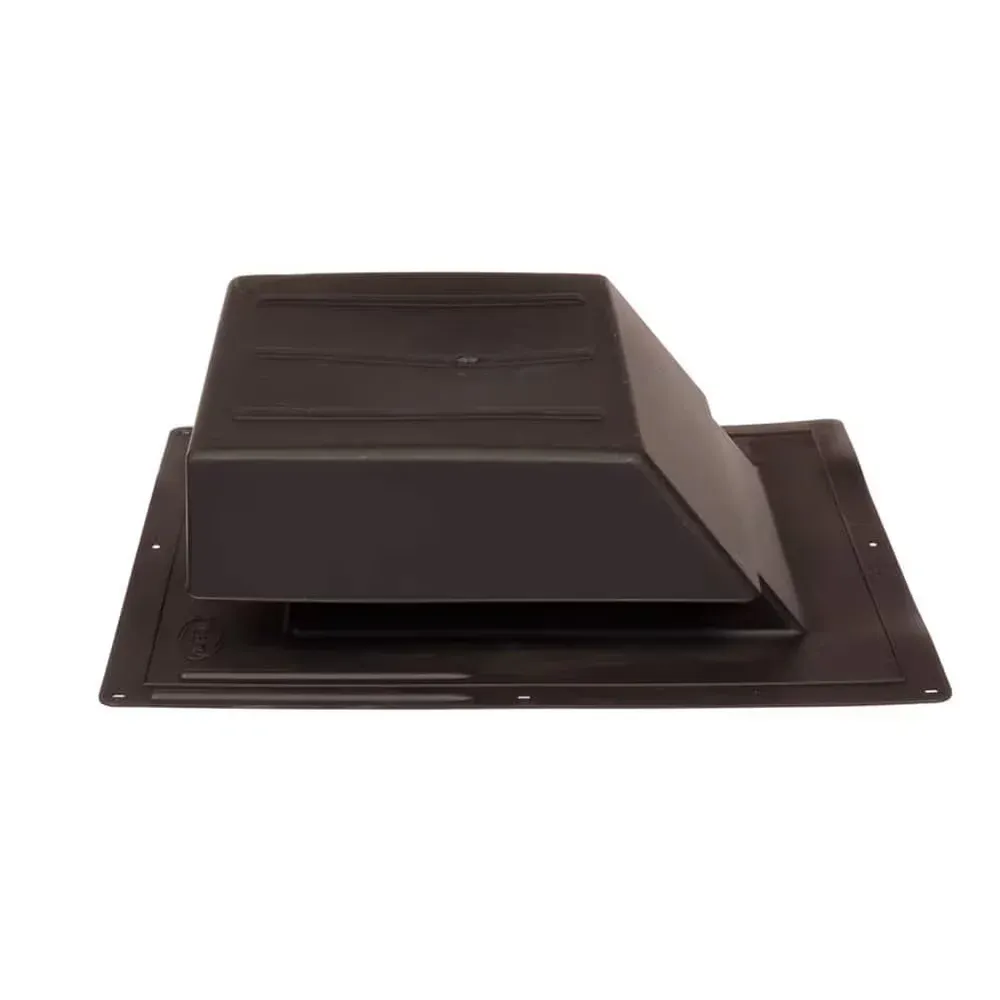
Master Flow
IR65 Plastic Slant-Back
UV-resistant resin louver.
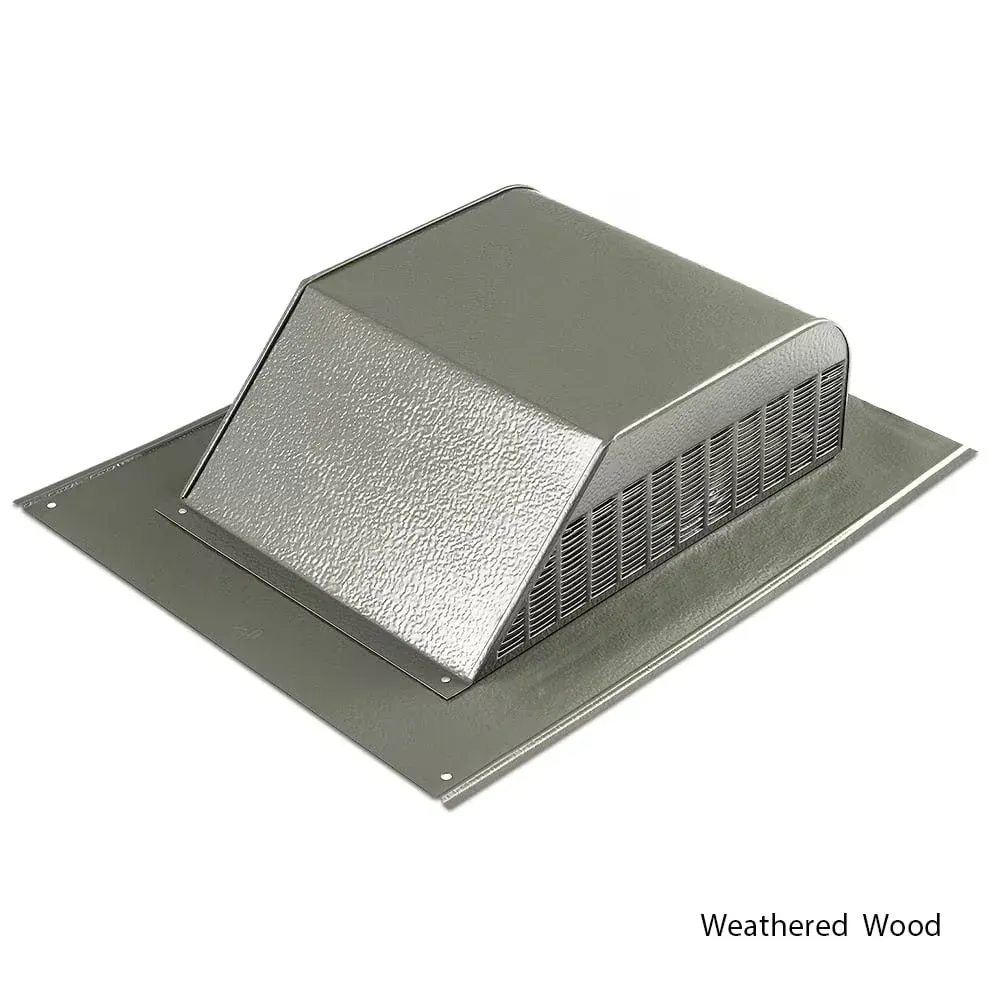
Master Flow
SSB960 Metal Slant-Back
Super slant-back metal louver, with an optional weather filter.
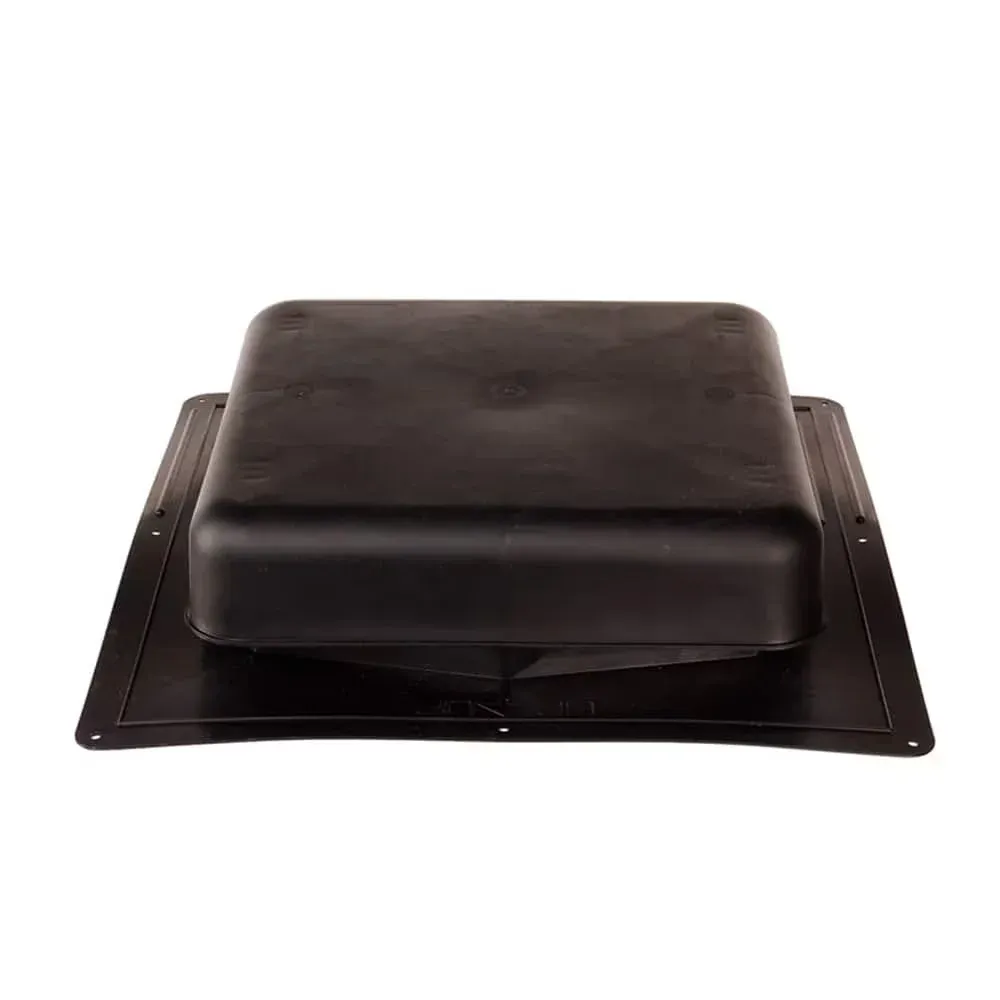
Master Flow
RT65 Plastic Square-Top
UV-resistant resin louver.
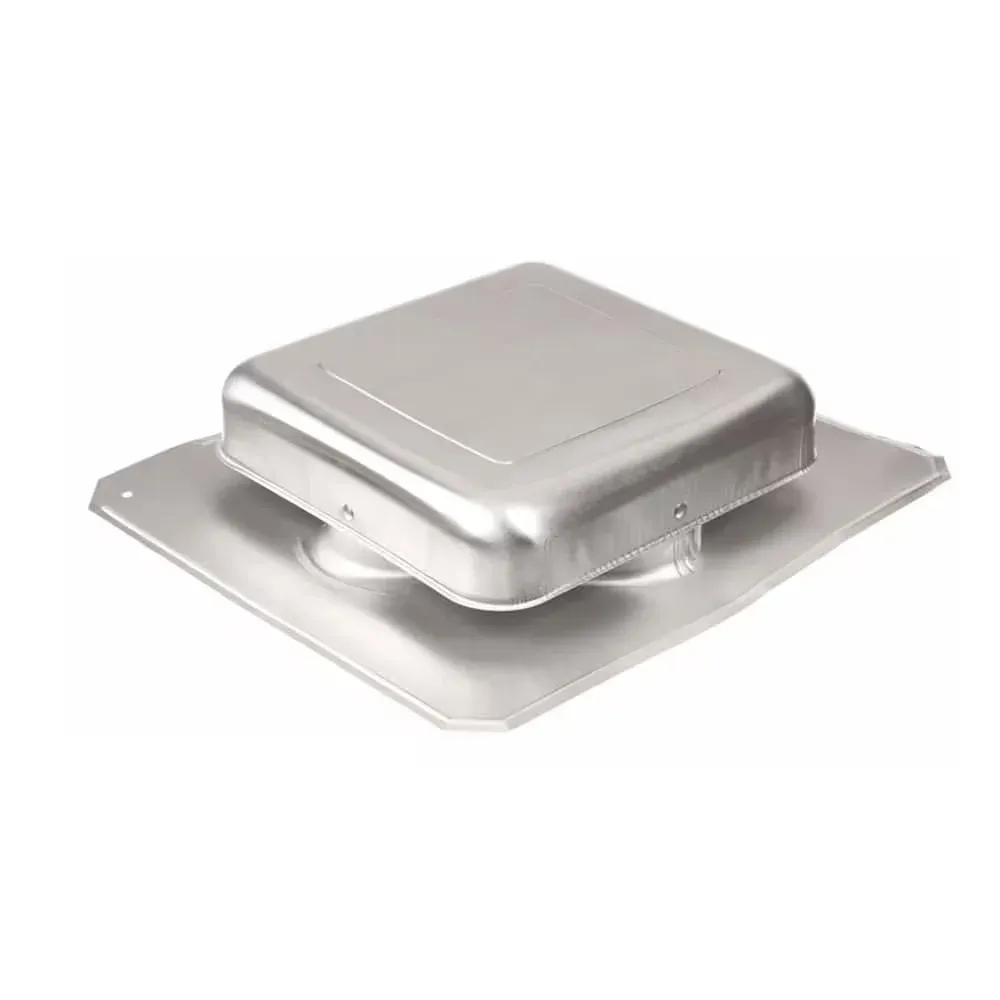
Master Flow
R50 Metal Square Throat
Metal louver with a square throat.
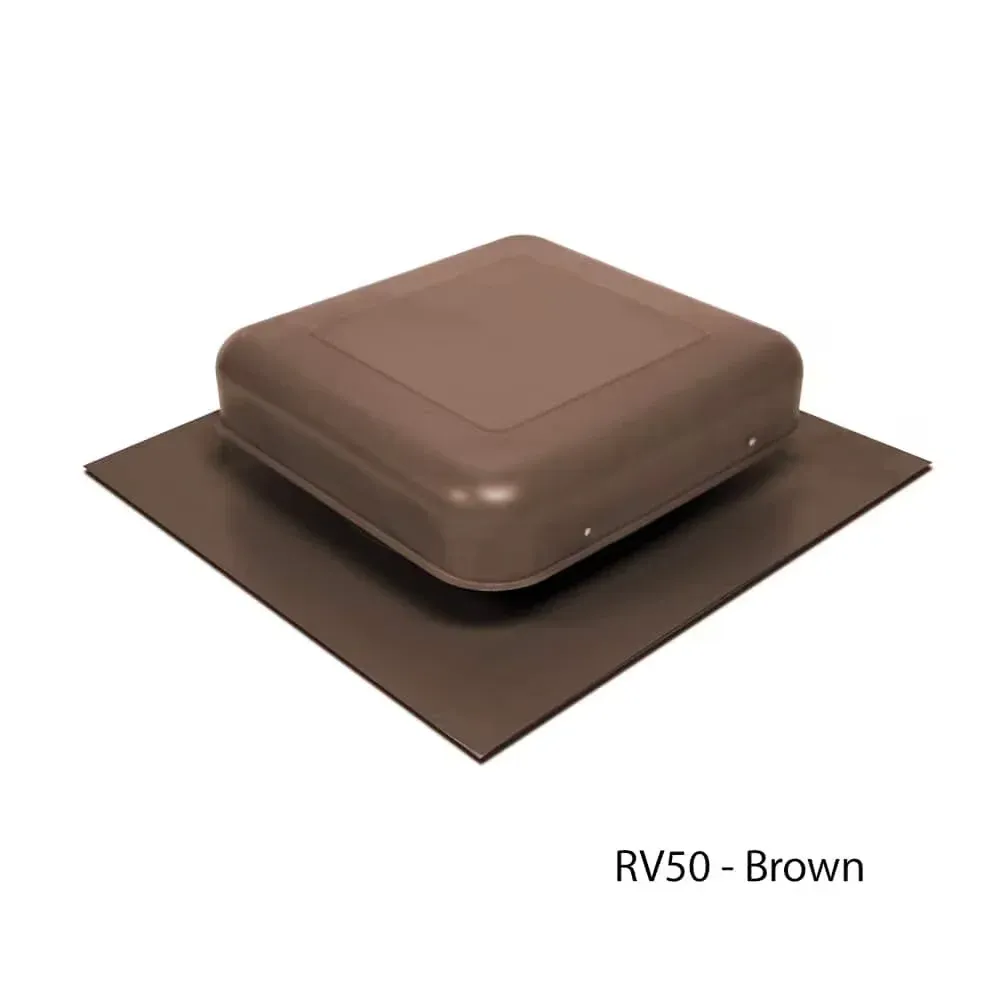
Master Flow
RV50 Metal Round Throat
Metal louver with a round throat.
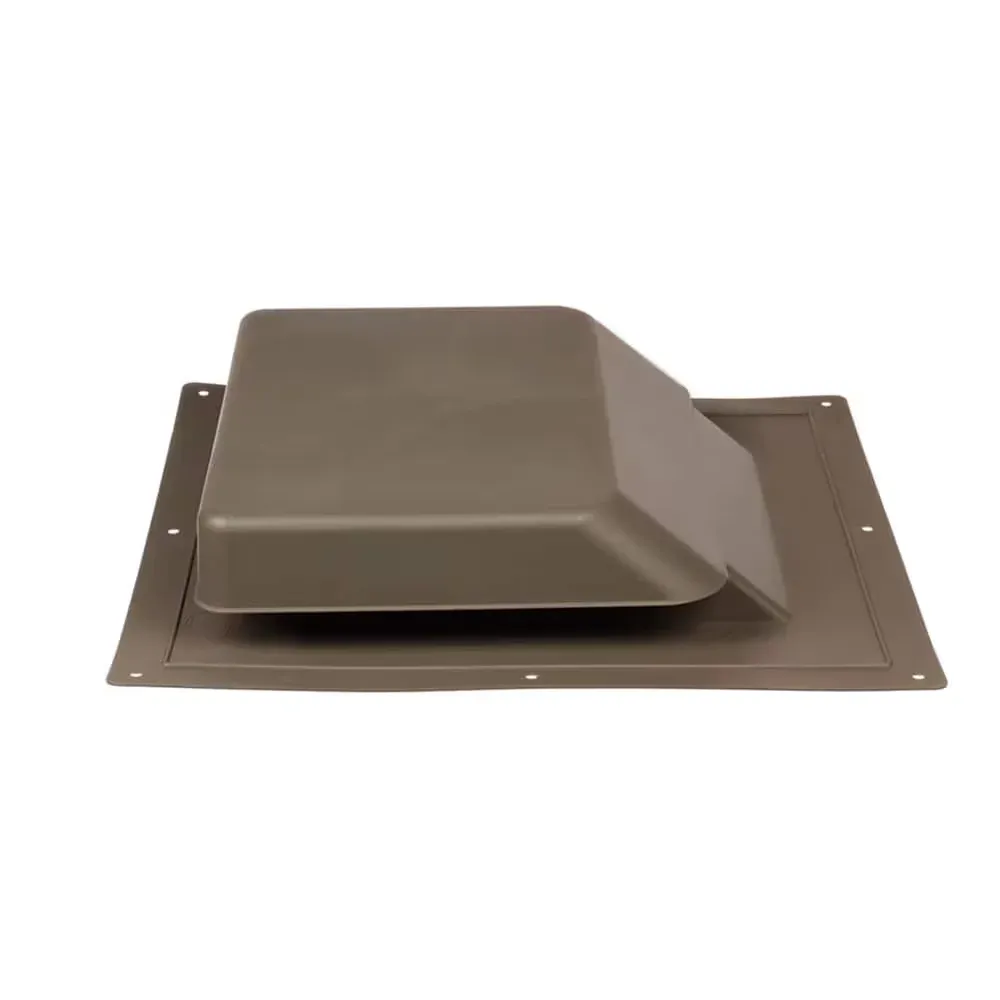
Master Flow
IR61 Low-Profile Slant-Back
Low-profile, UV-resistant resin louver.
Power & solar vents
08 products
Roof-mounted fans that pull hot, damp air out, powered by the house, the sun or both.
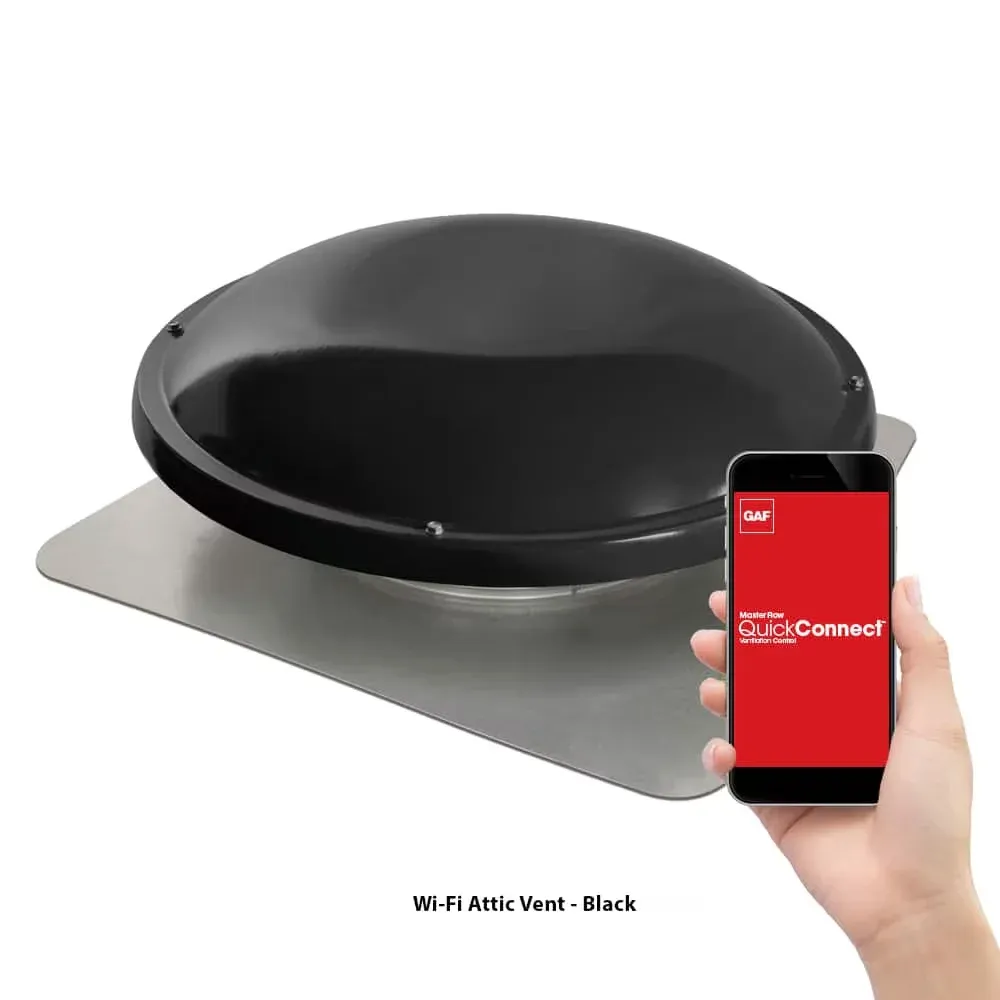
Master Flow
Wi-Fi Attic Vent
Humidistat and thermostat you control from a phone or tablet.
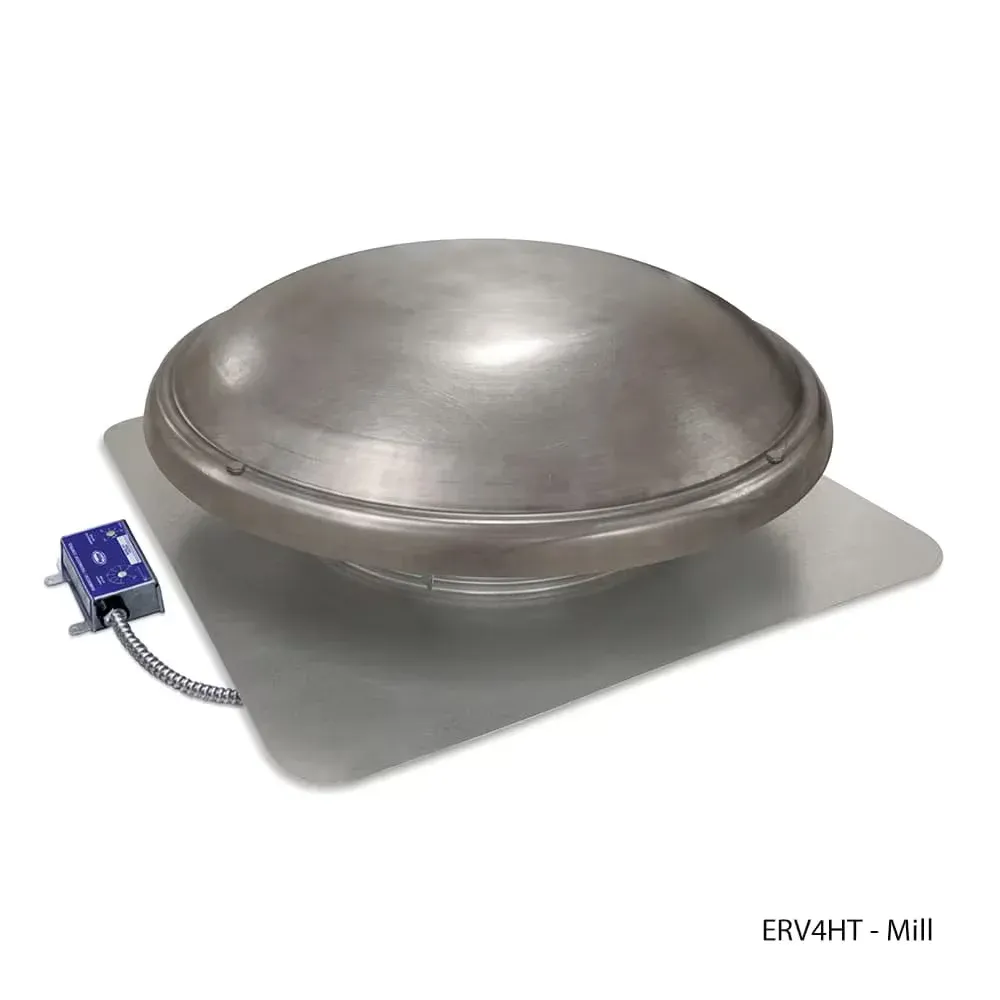
Master Flow
Power Attic Vent, Humidistat/Thermostat
Switches on for heat or humidity. Available in several colors.
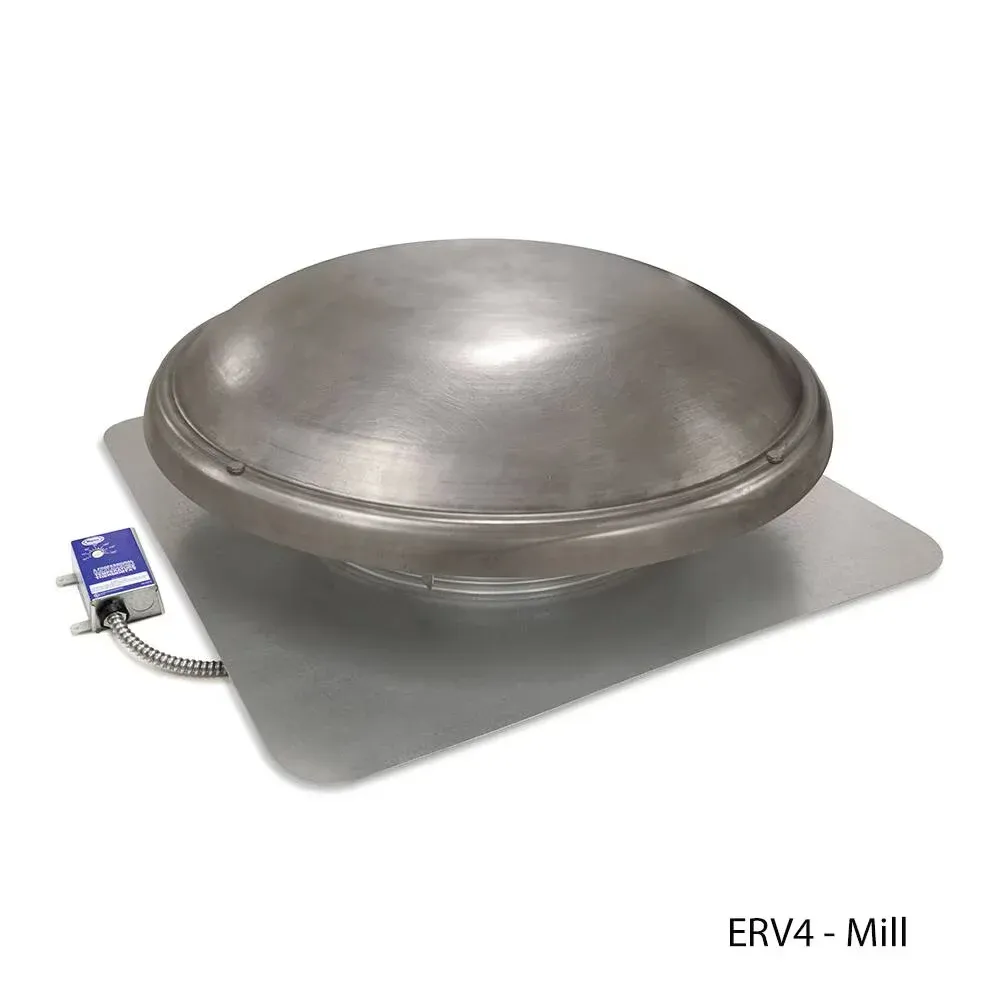
Master Flow
Power Attic Vent, Thermostat
Switches on when the attic gets hot. Available in several colors.
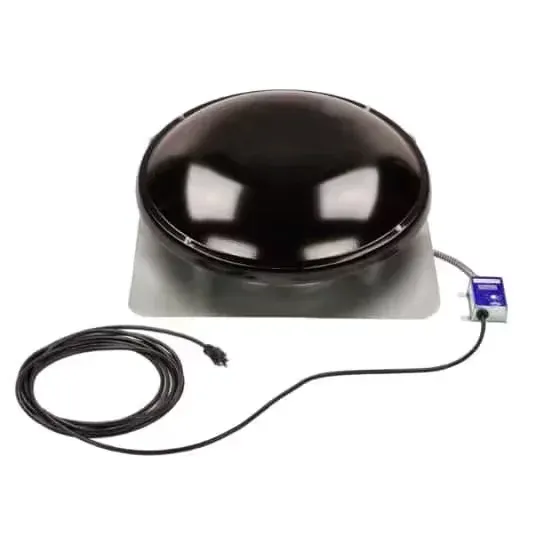
Master Flow
EZ Cool Plug-In Vent
Plugs into a standard 110V outlet in the attic.
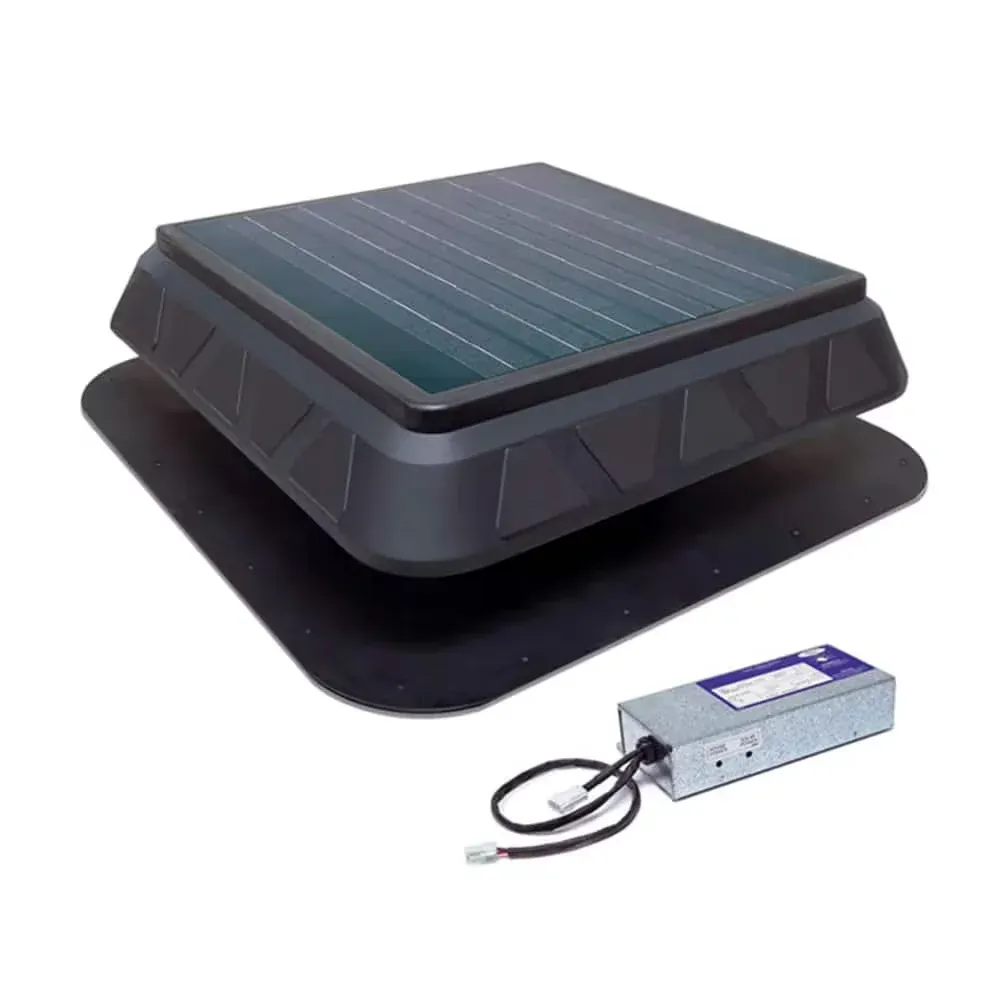
Master Flow
GreenMachine High-Power, Dual-Powered
Runs on solar, then switches to house power when it needs to.
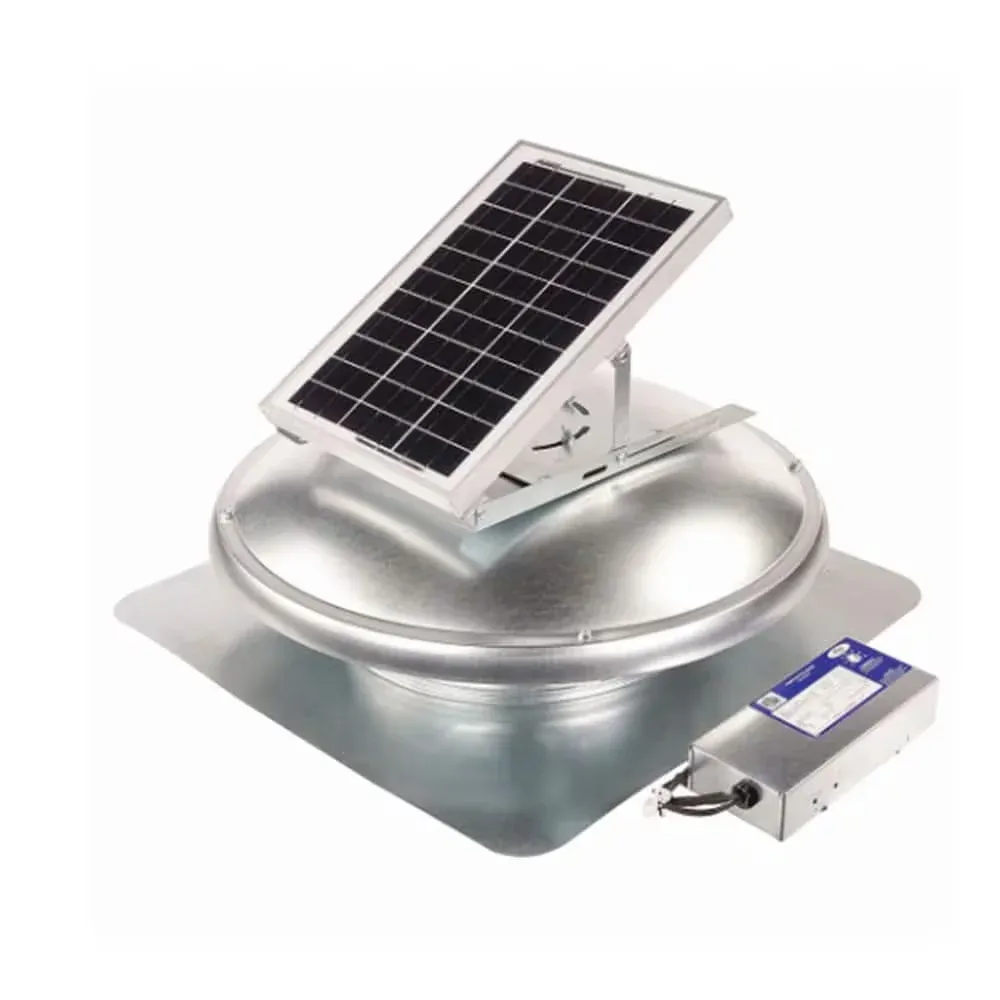
Master Flow
GreenMachine Dual-Powered
Runs on solar, then switches to house power when it needs to.
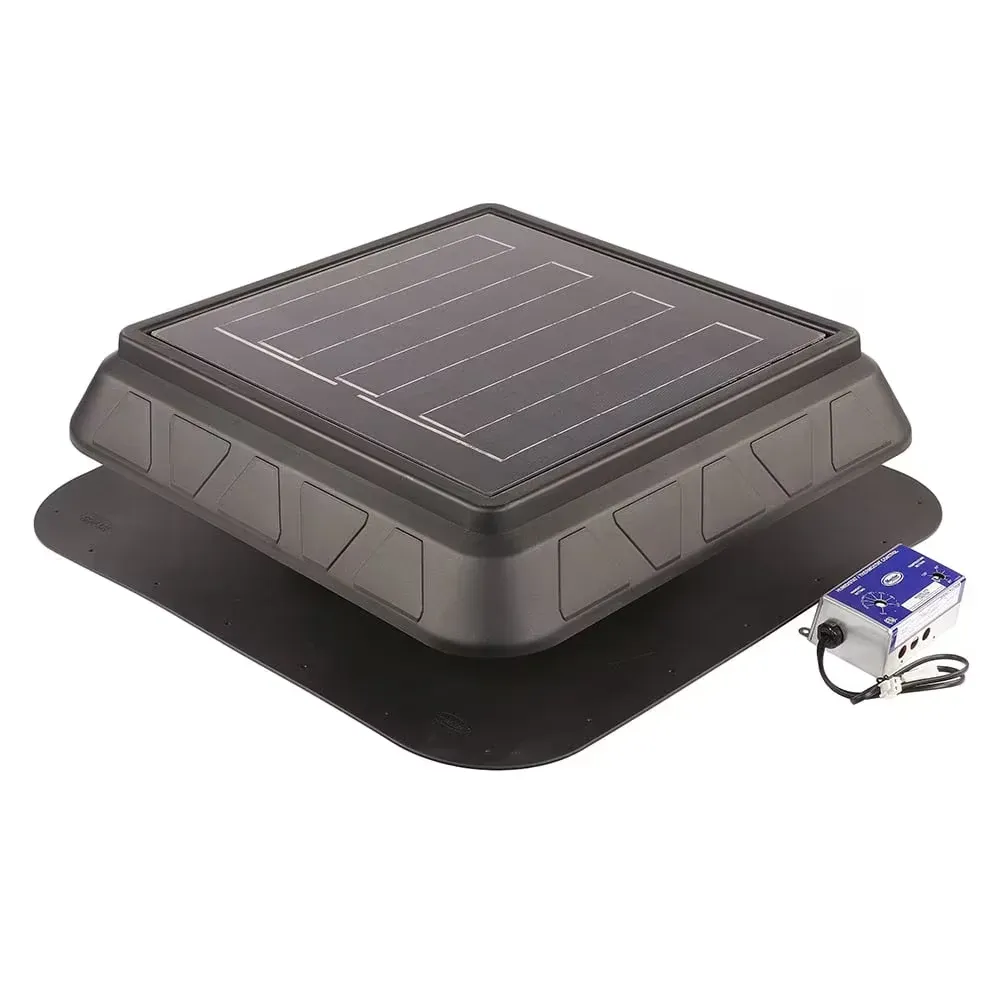
Master Flow
GreenMachine High-Power Solar
Low-profile vent with a built-in solar panel.
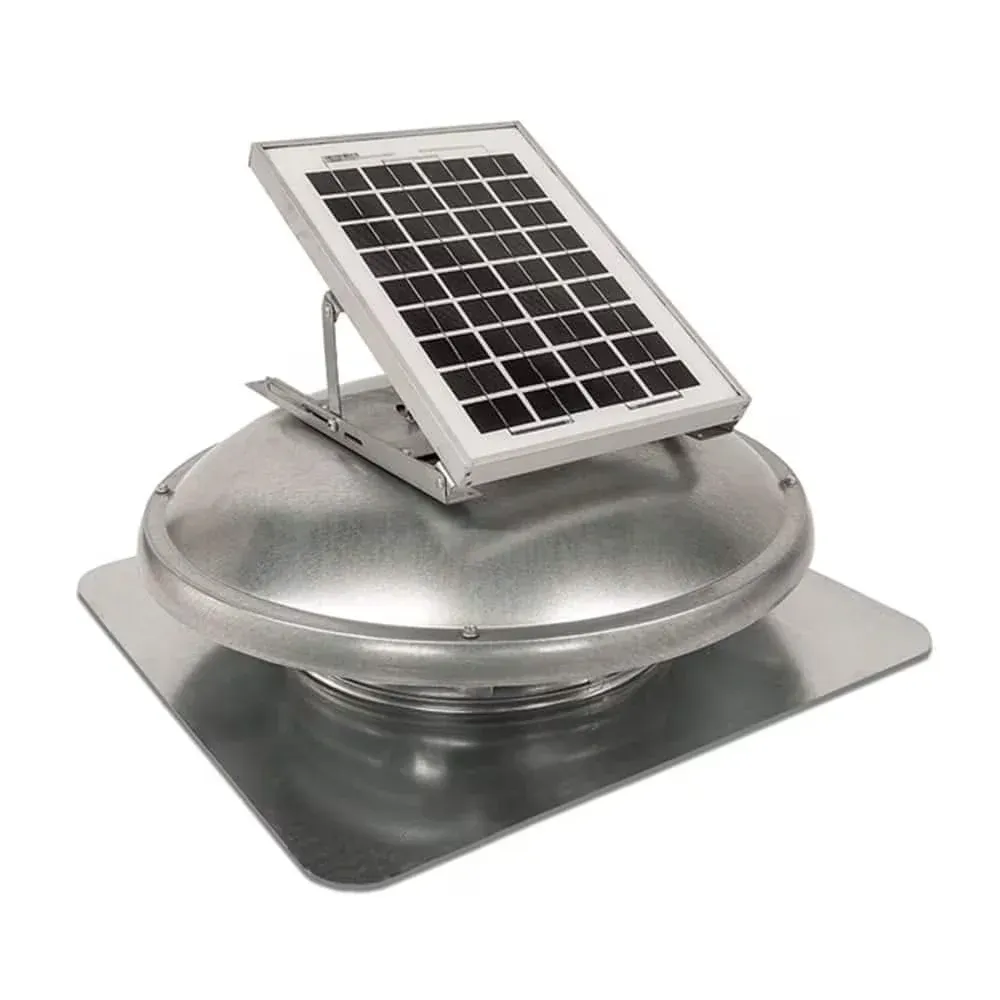
Master Flow
GreenMachine Solar Roof Vent
Solar-powered vent with no wiring to the house.
Wind turbines
03 products
Spin in the wind to draw air out of the attic. No power, no wiring.
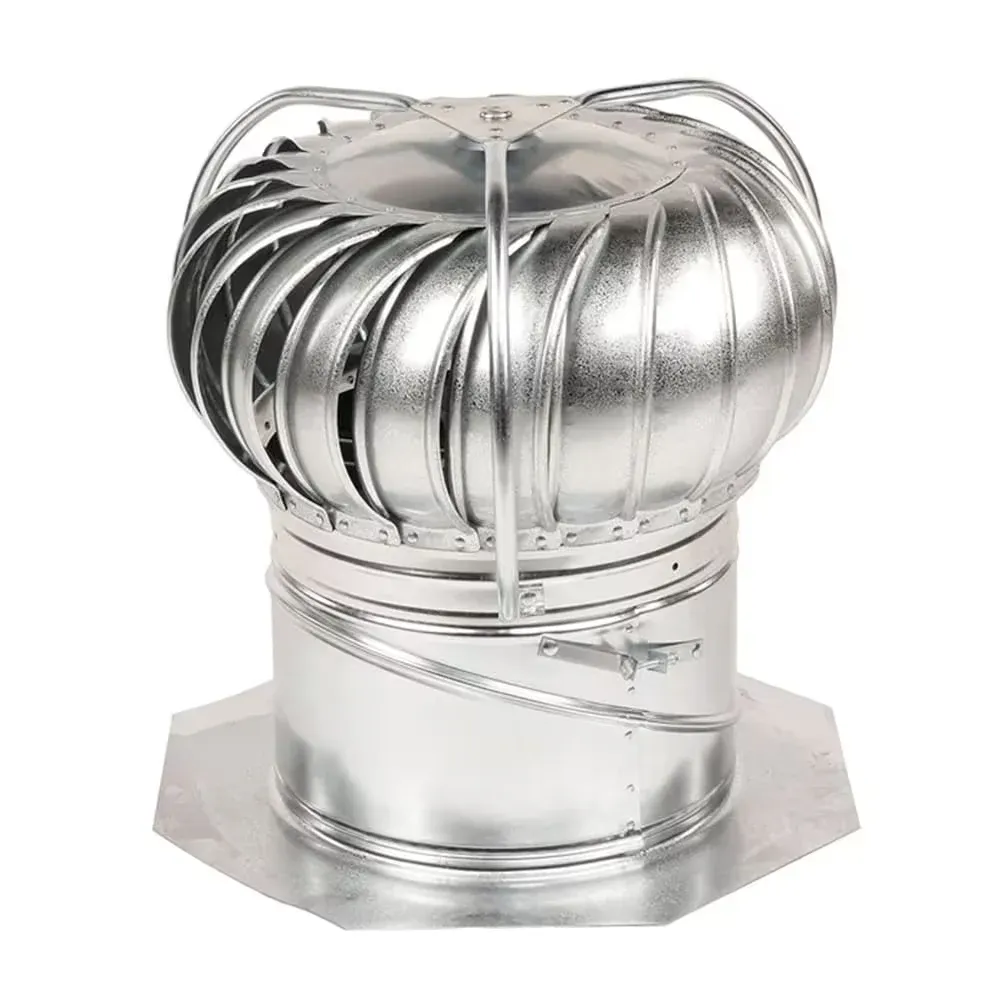
Master Flow
Galvanized Turbine, Externally Braced
12" galvanized turbine on stainless dual bearings, braced outside for extra durability.
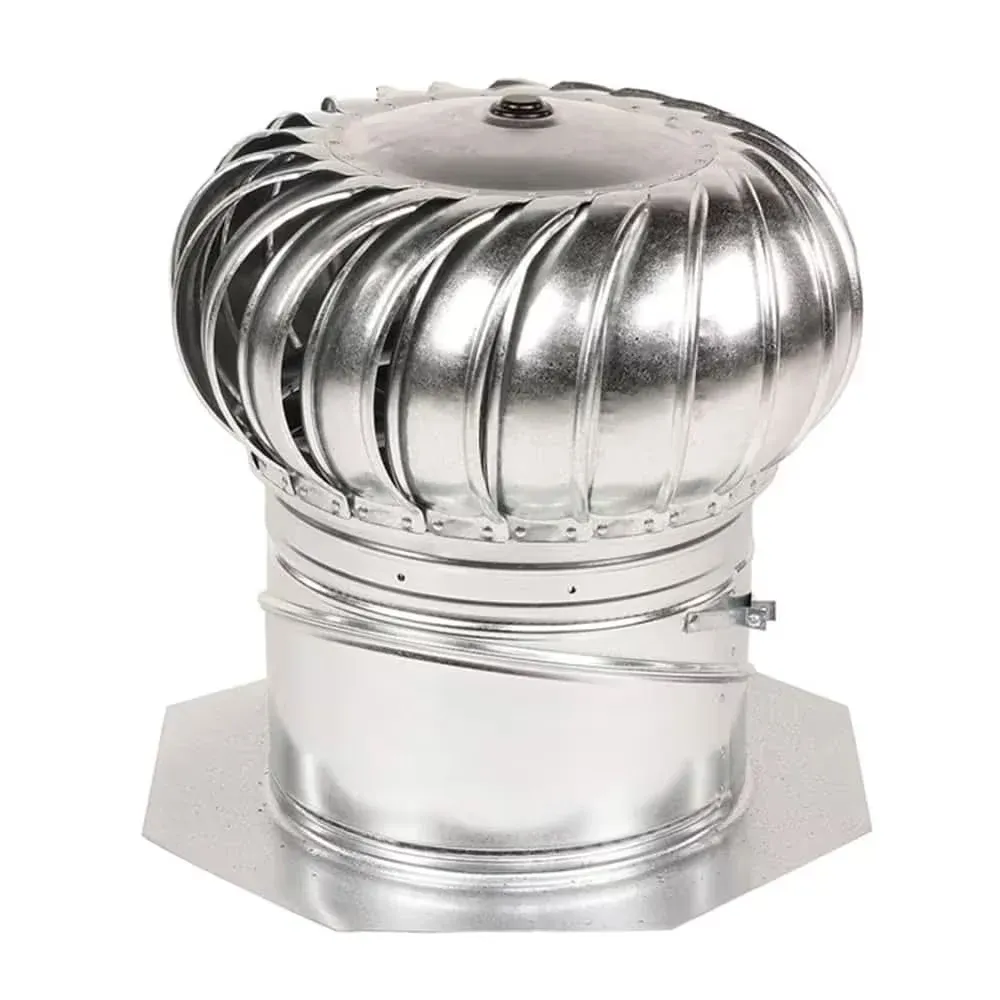
Master Flow
Galvanized Turbine, Internally Braced
12" galvanized turbine on stainless dual bearings.
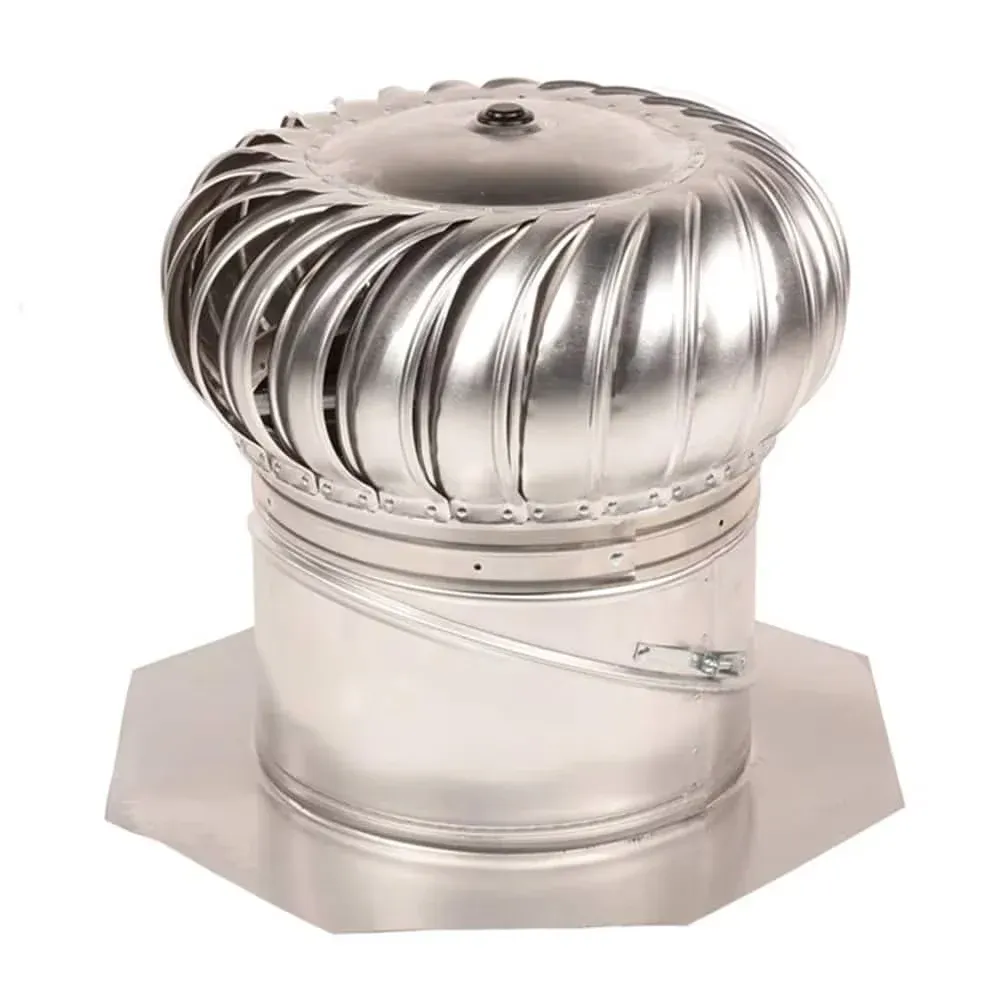
Master Flow
Aluminum Turbine, Internally Braced
Aluminum turbine on stainless dual bearings.
Gable vents
07 products
Fans and louvers in the gable walls at either end of the attic, for intake, exhaust or both.
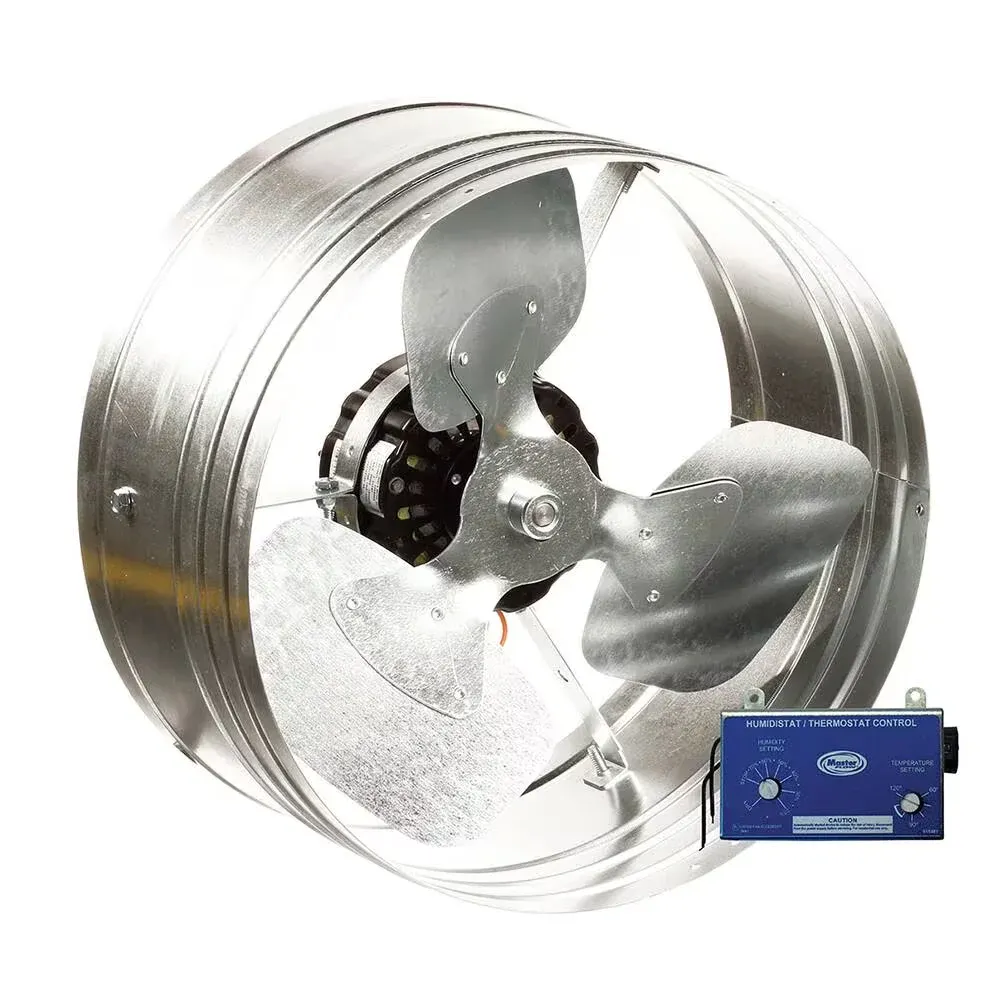
Master Flow
Power Gable Vent, Humidistat/Thermostat
Moves heat and moisture out of up to 3,000 sq. ft. of attic.
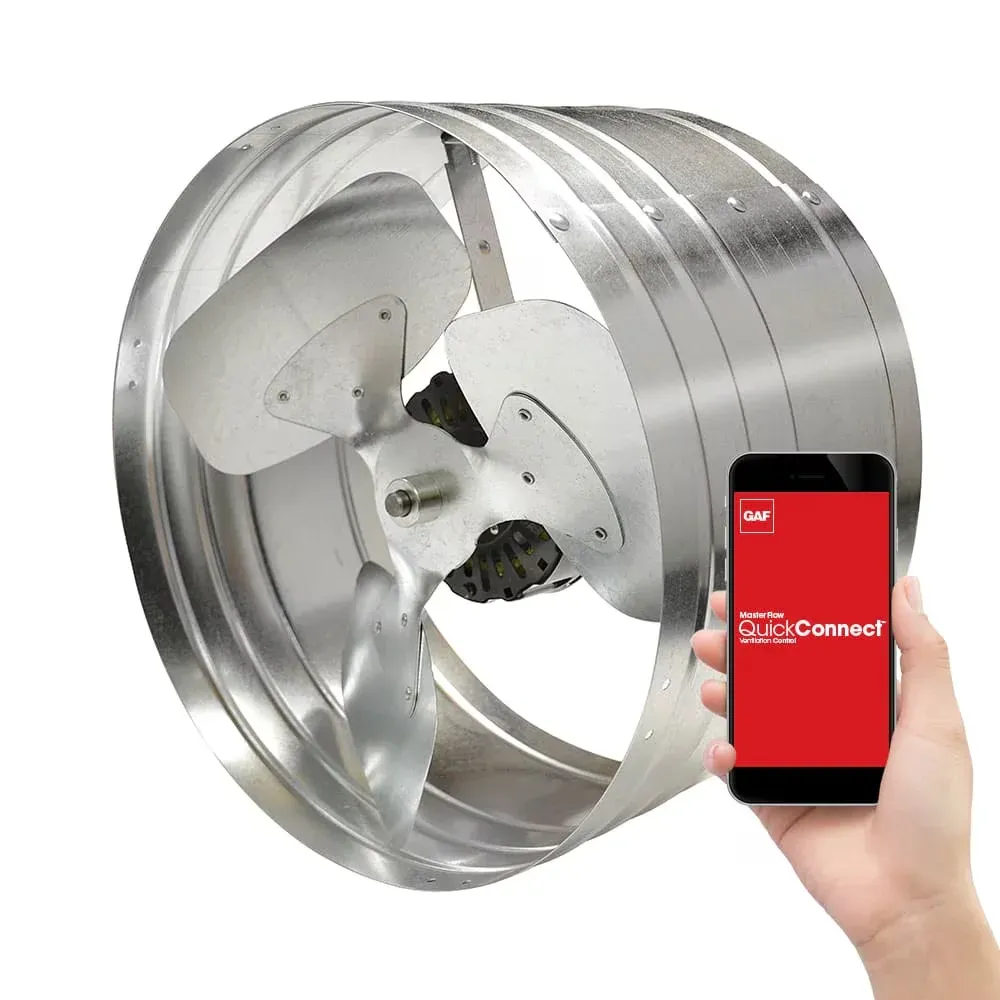
Master Flow
Wi-Fi Gable Vent
Humidistat and thermostat you control from a phone or tablet.
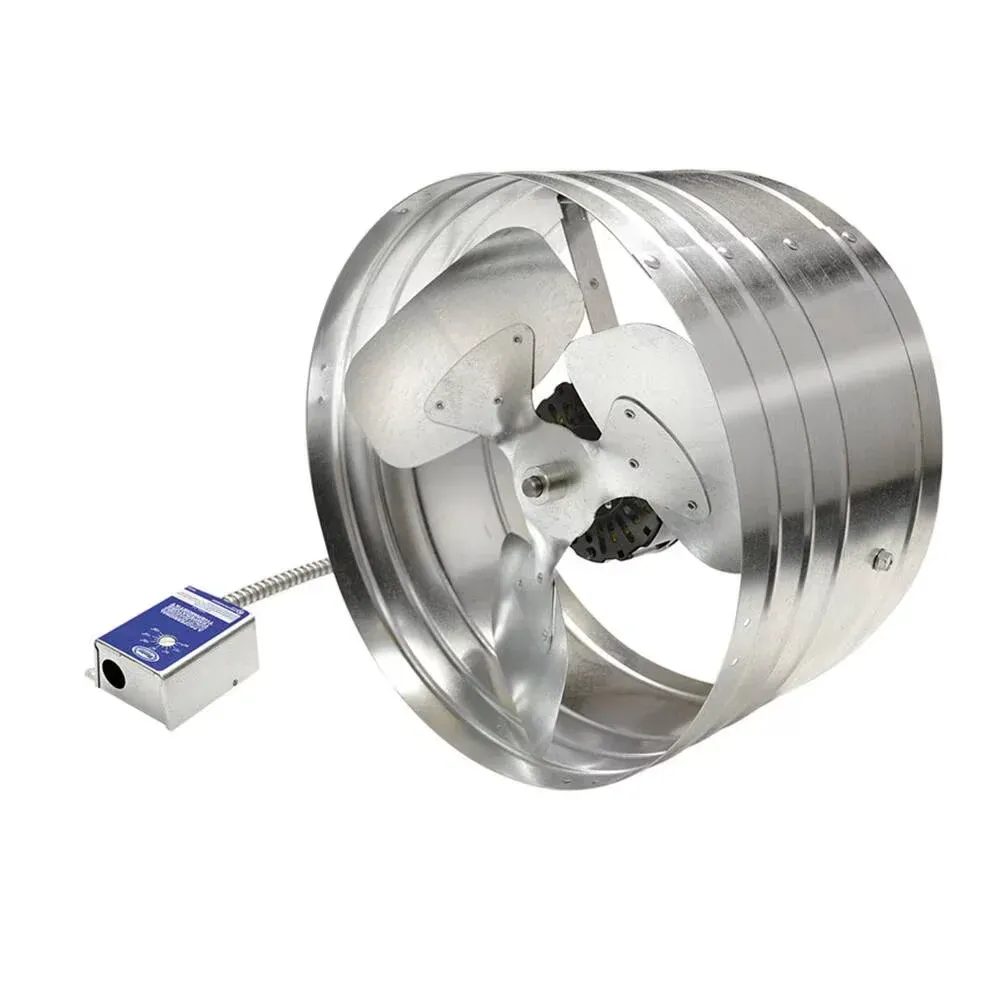
Master Flow
Power Gable Vent, Thermostat
Switches on when the attic gets hot.
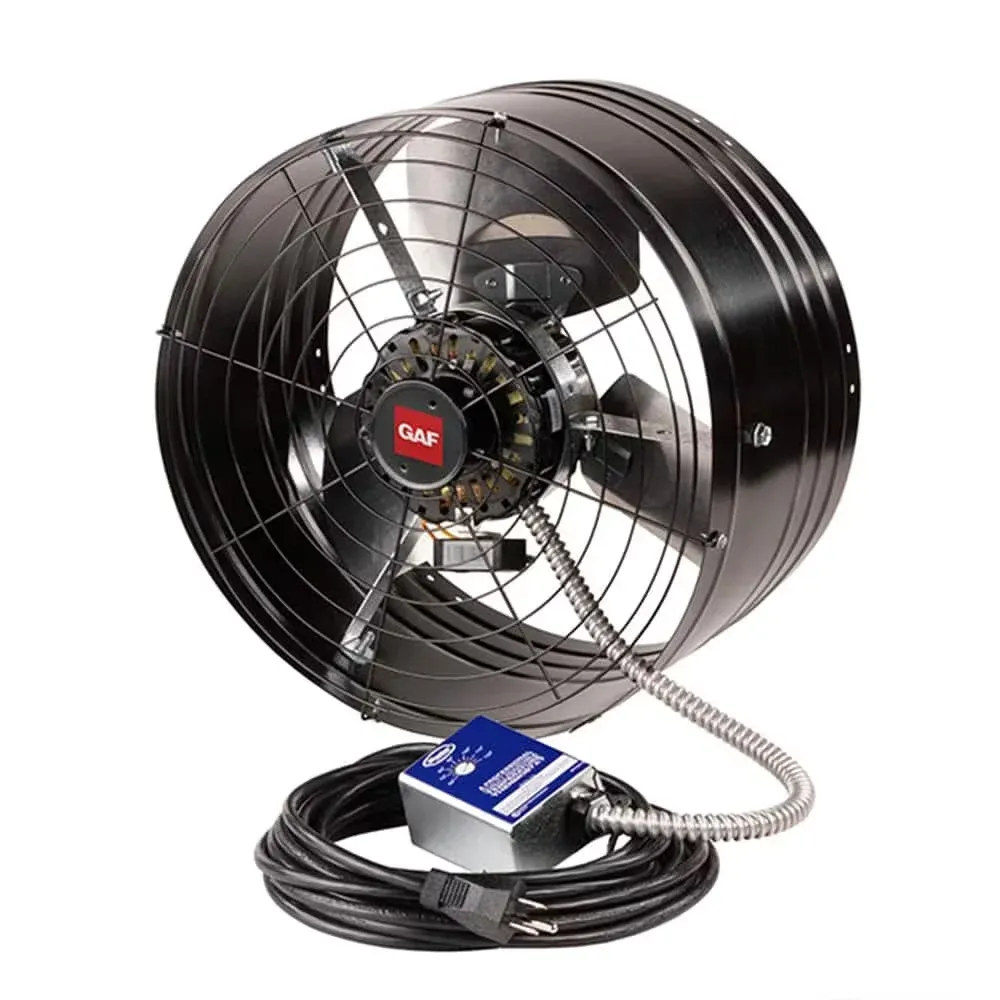
Master Flow
EZ Cool Plug-In Gable Vent
Plugs into a standard 110V outlet in the attic.
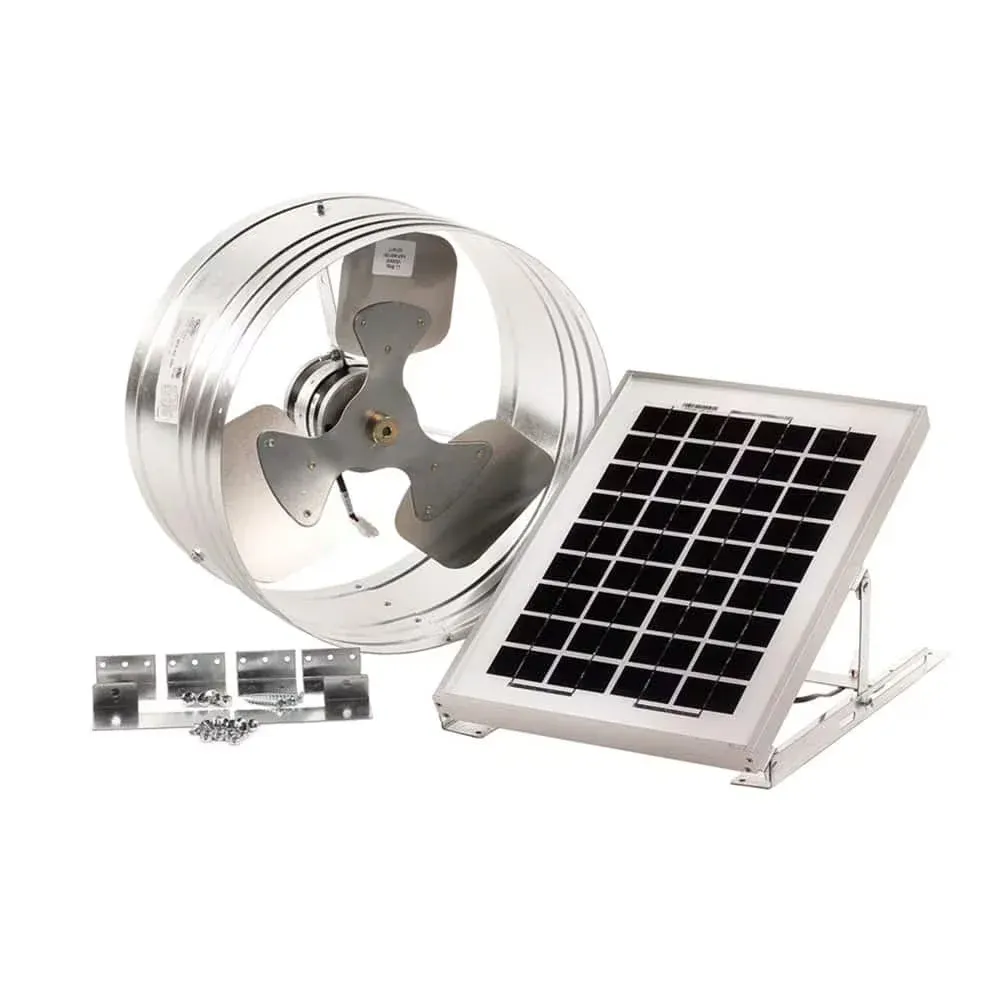
Master Flow
GreenMachine Solar Gable Vent
Solar-powered gable fan.
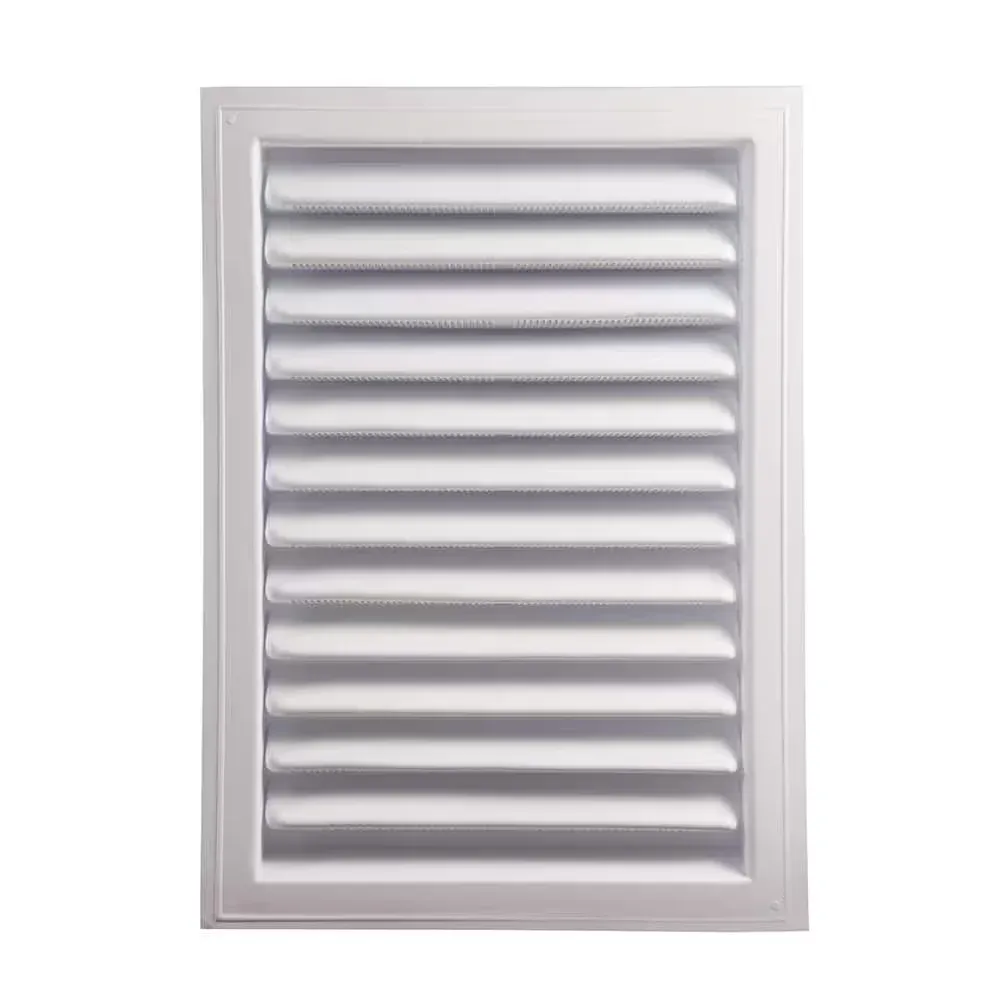
Master Flow
Gable Wall Louvers
Flush or recessed louvers for intake or exhaust.
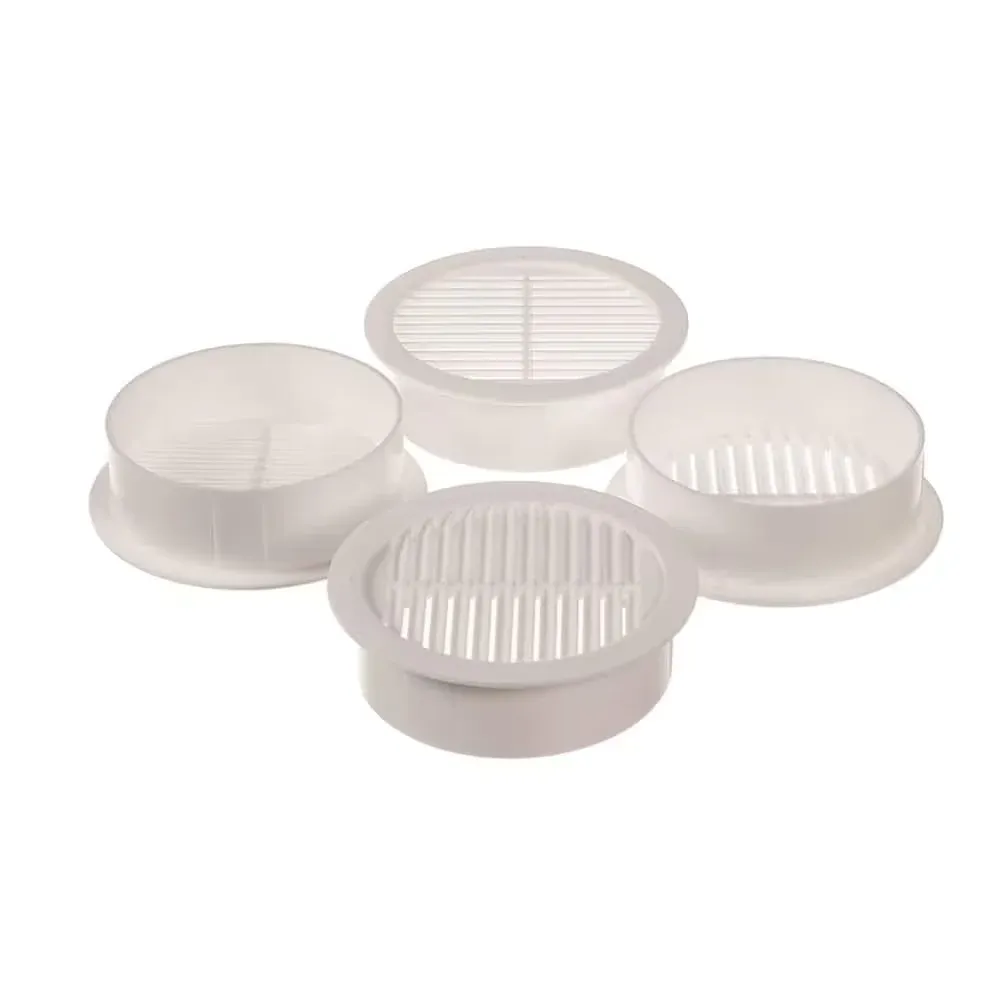
Master Flow
Circular Louvers
Snap-in vents for tight, hard-to-vent spots in the attic.
Products and specs are GAF’s. Not every vent suits every roof: the right mix depends on the attic’s size, its soffits and the shape of the roof.
Questions homeowners askabout attic vents.
Something else on your mind? Call (770) 432-5169
Attic ventilation
How do I know if my attic ventilation is inadequate?
Signs include a very hot attic, frost or condensation on the underside of the deck in winter, damp or dark sheathing, and peeling paint under the eaves. None of these points to ventilation alone: insulation, air leaks from the house, the HVAC and roof leaks can cause them too, so they get checked together.
Do I need intake vents if I have a ridge vent?
Yes. A ridge vent needs enough intake down low to work. Without it, the ridge vent moves little air, or pulls it from places it shouldn’t, like the house below or another vent nearby.
Are ridge vents better than attic fans?
On many homes a balanced passive setup, intake at the soffits and a ridge vent at the peak, does the job without a motor. A powered fan suits some attics, but it should not pull air out of the living space. The right choice depends on how the attic is built.
Will better ventilation lower my cooling bill?
It may help with attic heat, but savings depend on insulation, air sealing, the roof and the weather. Better ventilation is not a guaranteed drop in your energy bill, and we won’t promise one.
Find out what is happening above your ceiling.
We check the intake against the exhaust and tell you whether the attic needs anything at all.