Why a roof inspection matters
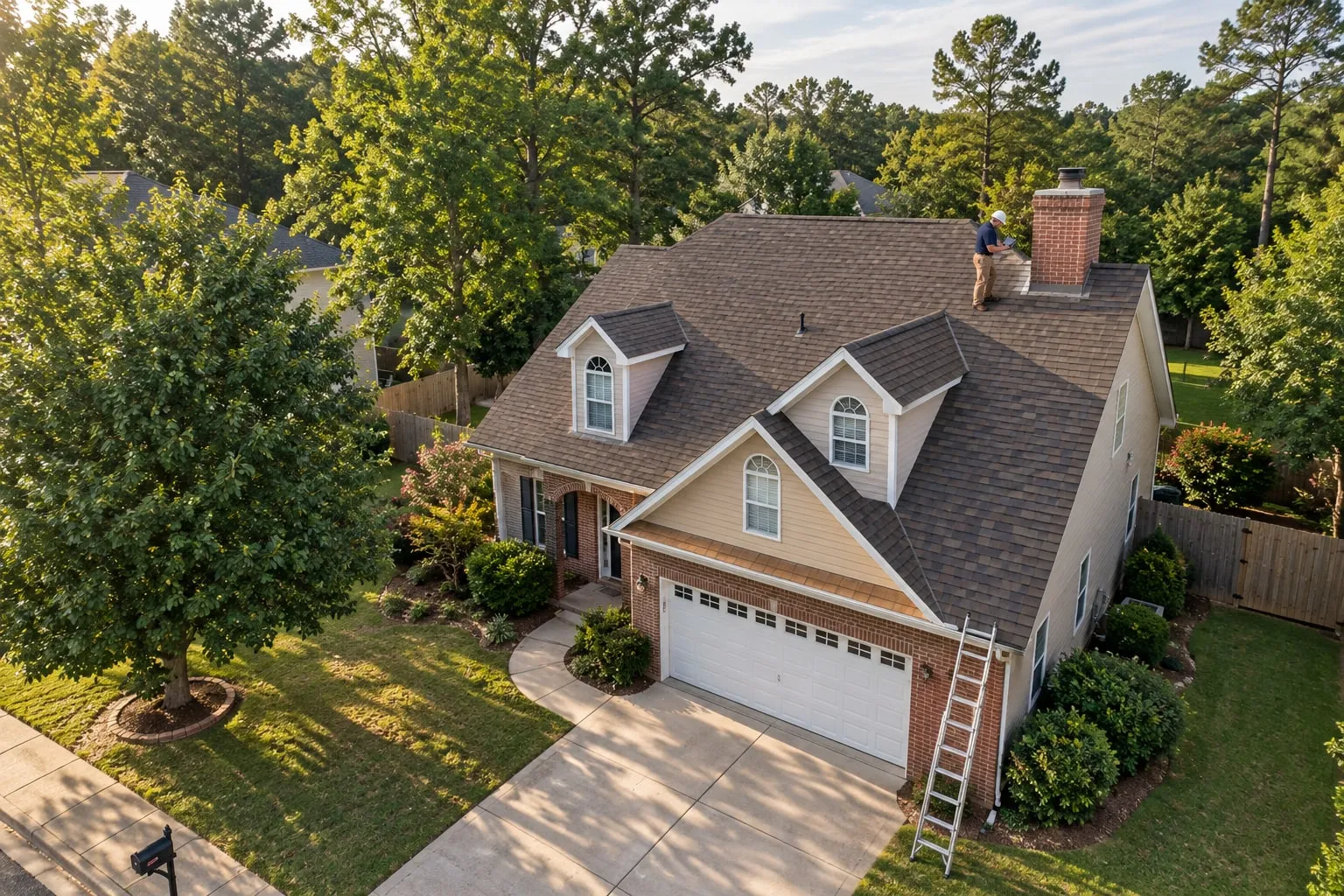
Most roof problems are invisible from the ground until they are expensive. An inspection puts someone on the roof and in the attic to find them early, and puts every finding in a photo report you keep.
It is the same inspection we run before quoting any job. If the roof is fine, the report says so and we leave.
When to get an inspection
After hail or a serious wind storm
Storm damage often does not leak right away. The report documents what the storm left, so you can decide whether a claim makes sense. Your insurer decides what is covered.
Before you buy a house
A general home inspector usually looks from a ladder or the ground. We walk the roof and give you a reasoned estimate of how much life it has left.
Before you sell
Fix the small things before the buyer’s inspector finds them and turns them into a price cut.
Once the roof passes 15 years
A check every couple of years lets you plan a replacement instead of reacting to one.
When something looks off
A stain, a musty attic, granules in the gutters, or a shingle on the lawn.
What we look for
The roof surface is only part of it. We work from the top of the roof down to the attic:
Shingles
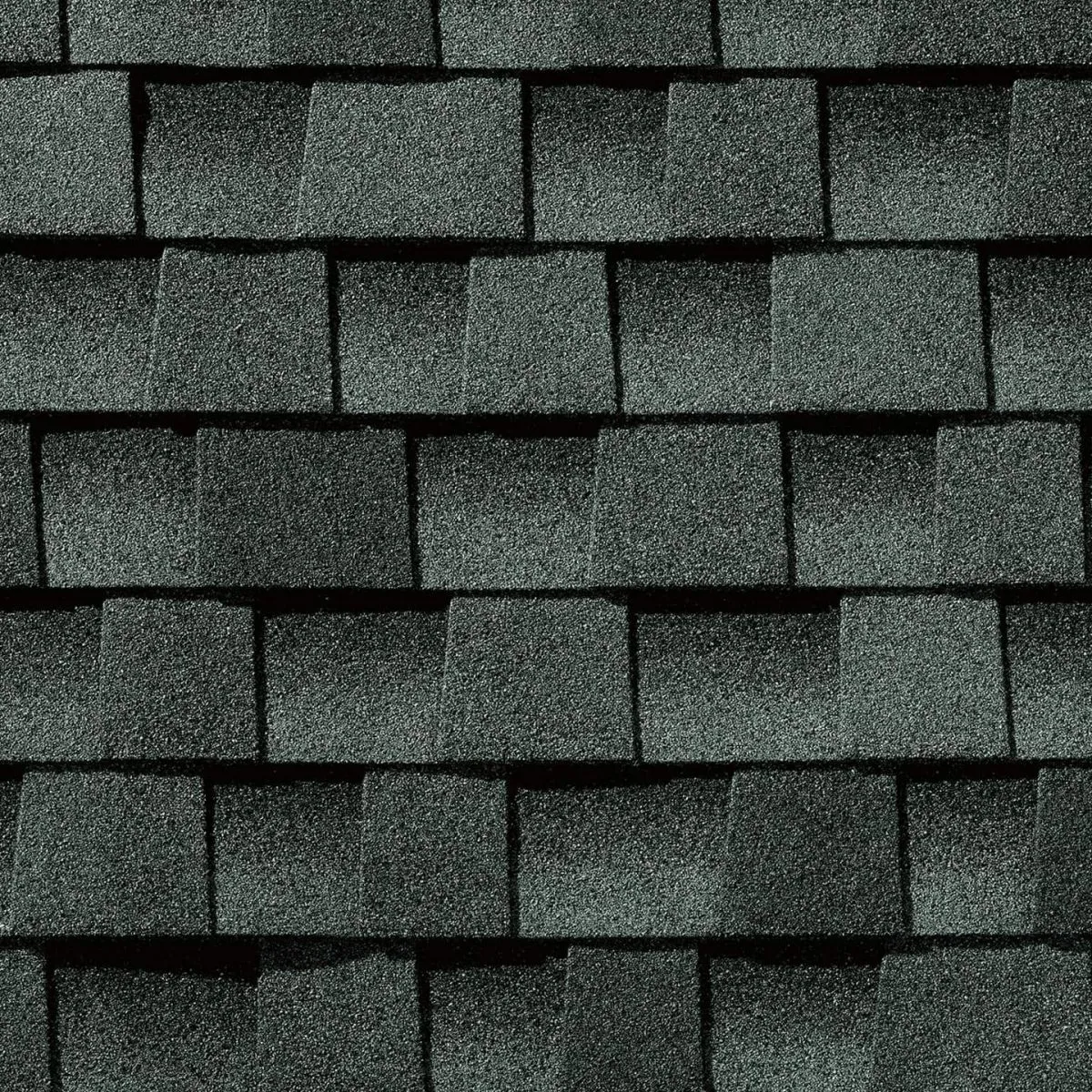
Hail bruises, wind creases, curling, cracking, granule loss and missing tabs.
Flashing and penetrations
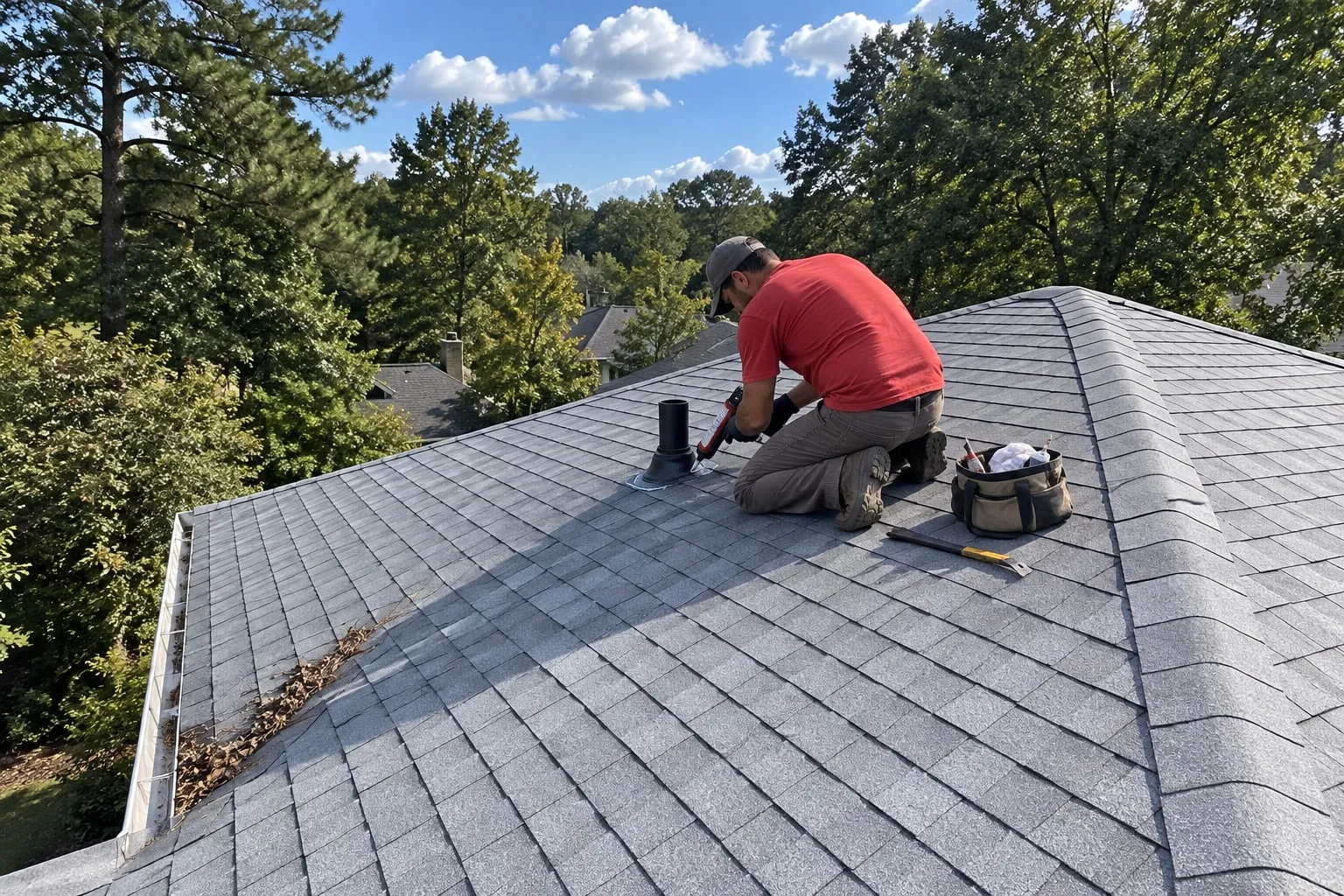
Every pipe boot, vent, skylight, chimney and wall joint, the places most leaks start.
Gutters and edges
Granule build-up, loose drip edge and fascia rot, which tell their own story about the roof above.
Attic and decking
Water stains, daylight through the deck, damp insulation and signs of poor ventilation.
What happens after
You get the photo report and a plain recommendation: leave it, maintain it, repair it, or plan a replacement. If work is worth doing, we quote it in writing. If you want a second opinion, take the report with you.
The report also says what we could not check, such as a slope too steep or wet to walk safely or an attic with no access, so you know where its limits are.