
A new roof over the business, without closing it

Flat and low-slope roofs for offices, retail, warehouses, churches and multifamily buildings. GAF single-ply and modified bitumen systems, installed in sections so the building stays dry and open.

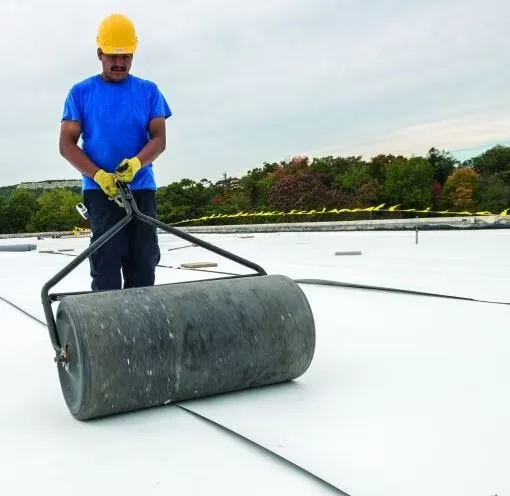
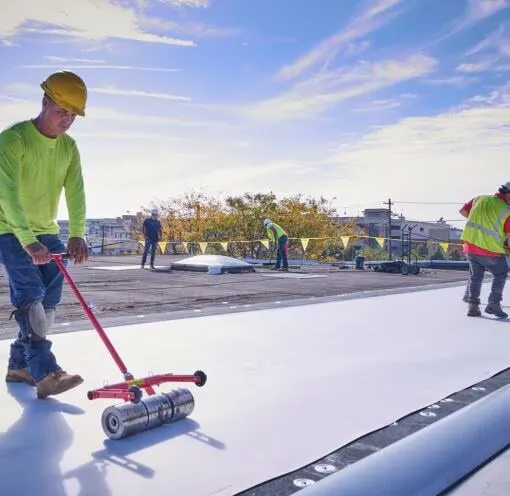
Roofers rolling out white TPO membrane on a flat commercial roof

Commercial roof replacement in metro Atlanta

A flat roof wears differently from a sloped one. Water sits instead of running off, the membrane takes the full Georgia sun all day, and every rooftop unit, drain and parapet is a seam that can open. When patches stop holding, the fix is a new system from the deck up.

We install GAF commercial systems: the membrane on top, a cover board under it, and insulation that holds the building’s temperature and slopes water to the drains. One manufacturer for every layer keeps the guarantee options open.

Signs the roof needs replacing

  • Ponding that does not drain

    Water still standing two days after rain means the deck or insulation has sagged, and the membrane is aging fast under it.

  • Seams and laps opening up

    Once seams start separating across the roof, repairs only chase the next one.

  • Wet insulation

    Soft, spongy areas underfoot mean water is already inside the system. Wet insulation loses its R-value and adds weight.

  • Blisters, cracks and bare spots

    On modified bitumen, lost granules and alligatored surfaces show the membrane is near the end.

  • Leaks in several places

    Multiple leaks at once point to a roof-wide problem, not a single failure.

Roof systems we install

The right membrane depends on the building, what sits on the roof and how long you plan to own it. We walk you through the trade-offs at the site visit.
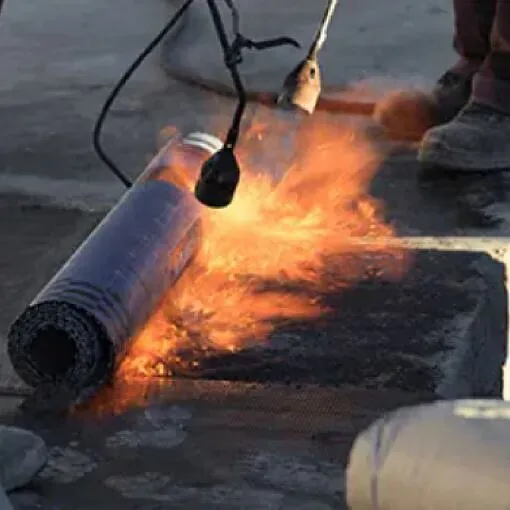
Roofer torching down modified bitumen on a flat roof
  • TPO

    GAF EverGuard TPO. A white, heat-welded single-ply membrane that reflects sun and keeps cooling costs down. The most common choice on low-slope roofs today.

  • PVC

    GAF EverGuard PVC. Holds up well to grease and chemicals, so it suits restaurants and buildings with rooftop exhaust.

  • Modified bitumen

    GAF RUBEROID. Asphalt membranes built up in layers: tough, impact resistant, and forgiving of foot traffic.

Compare GAF commercial systems

Recover or full tear-off?

If there is only one existing roof and the deck and insulation underneath are dry, a recover can go over it and save the cost of tear-off. Building code allows at most two roofs on a structure, and a recover over wet insulation traps the problem. A core cut at the site visit tells us which applies to your building.
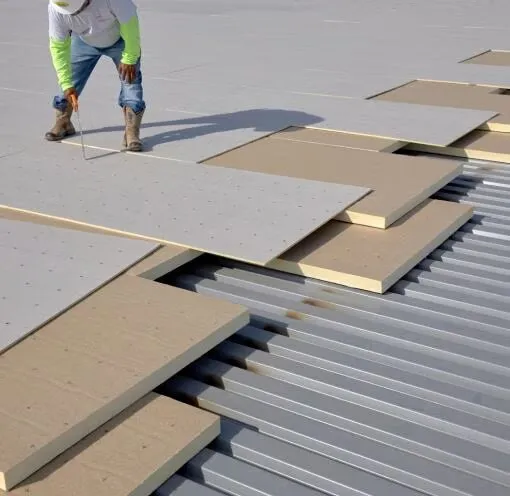
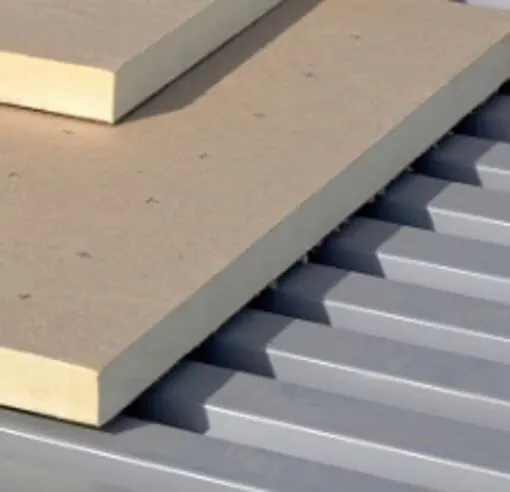
Cover boards laid over insulation on a metal deck

Working around your business

  • Phased by section

    We open only what can be closed the same day, so the building is never left exposed overnight.

  • Scheduled with you

    Noisy work, deliveries and crane lifts planned around your hours, tenants and parking.

  • One point of contact

    The same person from site visit to closeout, reachable when your tenants have questions.
What’s included

What a commercial replacement covers

Every layer of a low-slope roof, listed in the scope before you sign. Open any line for the detail.

Compare GAF commercial systems
  1. Roofer laying cover boards over insulation on a metal deck

    Assess

    01
    • Roof survey and core cutsSmall test cuts show what is under the membrane: how many roofs, and whether the insulation is wet.

      A core cut is a small sample taken through the roof down to the deck and patched immediately. It is the only reliable way to know whether a recover is possible or the roof has to come off.

    • Drainage checkDrains, scuppers and gutters checked, and ponding areas mapped.

      Standing water ages any membrane. We note where water sits so the new insulation can be tapered to move it to the drains.

  2. Polyiso insulation panels stacked on a ribbed metal roof deck

    Build

    02
    • Tear-off or recover prepWet or failed layers removed down to the deck, or the existing roof prepared to take a recover.

      Damaged deck sections are repaired before anything goes back on. Debris comes down by chute or lift into a dumpster, not off the edge.

    • Insulation, flat or taperedPolyiso panels for R-value, tapered where needed to slope water to the drains.

      Tapered insulation adds a slight pitch to a flat deck so water drains instead of ponding. It is often the single biggest upgrade over the old roof.

    • Cover boardA tough board over the insulation that takes foot traffic and hail.

      The cover board protects the insulation from being crushed by technicians servicing rooftop units, and gives the membrane a smooth, solid surface to bond to.

    • GAF membraneTPO, PVC or modified bitumen, fastened or adhered to GAF spec.

      Single-ply seams are heat-welded into one continuous sheet. Modified bitumen goes down in layers. Either way, installation follows GAF’s specification for the system you choose.

  3. Roofer rolling the seams of a white PVC membrane

    Detail

    03
    • Flashing at walls and curbsEvery parapet, rooftop unit curb and wall tied into the membrane.

      Most flat-roof leaks start at the edges and around equipment, not in the middle of the field. Flashing gets the most time on the job.

    • Drains, scuppers and edge metalNew drain rings, scuppers and coping or edge metal to finish the roof.

      Edge metal holds the perimeter down in high wind. Drains and scuppers get new flashings so water leaves the roof where it should.

    • Closeout paperworkPhotos, the final scope and guarantee paperwork for your records.

      You get a record of what was installed and where, useful for insurance, property sales and future work on the roof.

How it works

From site visit to closeout

Commercial jobs run on your calendar. Every step is agreed before it starts.

  1. 01

    Site visit

    We walk the roof, take core cuts, check drainage and meet whoever manages the building.

  2. 02

    Written scope

    Recover or tear-off, the system and every layer, the schedule and a firm number. Built to compare against other bids.

  3. 03

    Phased install

    Sections opened and closed the same day, with work planned around tenants, deliveries and parking.

  4. 04

    Closeout

    Final walk with you, photos of the finished roof, and the guarantee paperwork.

What to expect on a commercial roof

  • 3 systems

    TPO, PVC and modified bitumen, all from GAF, with the cover board and insulation underneath from the same manufacturer.

  • 10–35 yrs

    GAF’s guarantee range for its commercial systems, depending on the system chosen and the contractor’s certification.

  • In writing

    Every layer, the phasing and the price on paper before work starts.

Next service

Commercial Roof Repair

Leaks, open seams, punctures and failed flashing on flat roofs, traced and fixed before they reach the inventory.

Questions homeowners askbefore they call.

Something else on your mind? Call (770) 432-5169

Commercial Roof Replacement

Can you replace the roof while the business stays open?

Usually, yes. We work in sections and close each one the same day, so the building stays dry and in use. Noisy work and crane lifts get scheduled around your hours.

Do we have to tear off the old roof?

Not always. If there is only one roof on the building and the insulation under it is dry, a recover can go over it and save the tear-off. Core cuts at the site visit tell us whether that is possible.

TPO or PVC?

Both are heat-welded single-ply membranes. TPO is the common, cost-effective choice for most buildings. PVC costs more but stands up better to grease and chemicals, so it suits restaurants and buildings with rooftop exhaust.

Can storm damage on a commercial roof go through insurance?

Often, yes. We document hail and wind damage with photos the same way we do on homes, and meet your adjuster on the roof if you file.

Free estimate

Find out what your roof actually needs.

Step 1 of 3

The job

What do you need?

Type of property
Service

Rather talk it through? Call (770) 432-5169